High-purity pharmaceutical raw materials, peptides, and advanced chemical intermediates backed by rigorous analytical documentation.
The global pharmaceutical active ingredient landscape is undergoing a systemic structural transformation. Driven by the expansion of precision medicine, advanced therapeutic modalities (ATMs), oligopeptide synthesis breakthroughs, and stringent global regulatory oversight, life science firms face escalating demands for reliable, high-purity Active Pharmaceutical Ingredients (APIs). Key stakeholders in drug development require strategic partners capable of transitioning seamless scale-up processes from laboratory synthesis to metric-ton cGMP batch manufacturing.
Strategic Insight: Information gain in modern pharmaceutical sourcing relies not merely on chemical availability, but on verifiable structural purity, ICH-compliant impurity profiling, global DMF registrations, and transparent supply chain auditability.
As regulatory agencies worldwide—including the US FDA, EMA, and NMPA—enforce rigorous guidelines regarding residual solvents (ICH Q3C), elemental impurities (ICH Q3D), and mutagenic impurities (ICH M7), chemical manufacturers must implement cutting-edge analytical frameworks. Modern API manufacturing requires advanced Process Analytical Technology (PAT), real-time continuous flow chemistry, and ultra-high-performance liquid chromatography (UHPLC-MS/MS) quality control networks.
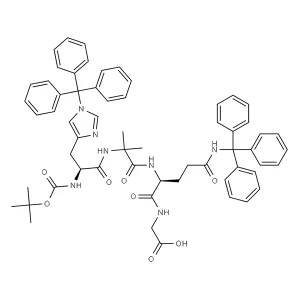
The global market for peptide APIs in particular is experiencing explosive expansion, projected to maintain a CAGR exceeding 10.5% through 2030. This growth is accelerated by novel therapeutic applications in metabolic disorders, neurodegenerative conditions, oncology targeting, and cosmetic peptide formulations. Securing reliable sourcing pipelines for critical building blocks—such as protected amino acid derivatives like Boc-His(Trt)-Aib-Gln(Trt)-Gly-OH—is paramount for pharmaceutical innovators maintaining tight development timelines.
Connecting the global healthcare ecosystem with certified quality standards, robust licensing, and integrated sourcing logistics.
An overall factory construction area of 250,000 square meters operating under international engineering standards. Built to deliver flexible, scalable, and cost-effective synthesis for bulk commercial applications.
Extensive catalog of APIs and active intermediates for R&D through commercialization. Manufactured under cGMP standards from long-term cooperative partnerships with complete regulatory documentation (DMF, CoA, MSDS).
End-to-end technical support, consultation, product line engineering, and lab setup services. Enabling partners to streamline scale-up chemistry and optimize downstream processing workflows.
Tailored supply chain solutions and Finished Dosage Form (FDF) license-out programs designed to eliminate multi-vendor management risks and secure strategic chemical reserves worldwide.
Gentolex’s fundamental mission is to create strategic infrastructure connecting global pharmaceutical enterprises with guaranteed product safety and regulatory support. Serving clients across more than 10 countries, Gentolex has established direct international representative hubs, notably in Mexico and South Africa, to facilitate localized regulatory filings, custom logistics solutions, and rapid-response client relations.
The manufacturing of active pharmaceutical ingredients—specifically complex therapeutic peptides—demands meticulous control over synthetic methodology, purification protocols, and analytical characterization. Below is an engineering overview of standard chemical workflows deployed across modern cGMP synthesis environments.
For short to medium-length peptides (such as Semax, Selank, PT-141, and BPC-157), Solid-Phase Peptide Synthesis utilizing Fmoc or Boc protective group chemistry remains the gold standard. SPPS allows rapid chain elongation on specialized resin matrices (e.g., CTC resin, Rink Amide resin). In contrast, hybrid liquid-phase strategies (LPPS) are reserved for large-scale block condensation of fragment intermediates like Boc-His(Trt)-Aib-Gln(Trt)-Gly-OH, optimizing yield and raw material efficiency.
Post-cleavage crude peptides contain closely related deletion sequences, truncated fragments, and side-chain modified impurities. Purification is conducted through multi-stage Preparative Reversed-Phase HPLC (RP-HPLC) utilizing C18 or C8 column media. Elution fractions are monitored via UV-Vis spectrophotometry and online Mass Spectrometry to ensure target fractions achieve >98% optical and chemical purity before controlled lyophilization under sterile cGMP cleanroom conditions.
| Analytical Parameter | Test Methodology | Acceptance Criteria Standard | Impact on Formulation Integrity |
|---|---|---|---|
| Chemical Purity | RP-UHPLC (UV at 214nm / 220nm) | ≥ 98.0% - 99.5% (Area %) | Prevents inactive isomer interference & toxicity. |
| Mass Identification | ESI-MS / MALDI-TOF MS | Conforms to theoretical molecular weight | Verifies accurate amino acid sequence synthesis. |
| Residual Solvents | Headspace Gas Chromatography (HS-GC) | ICH Q3C Limits (e.g. Acetonitrile <410 ppm) | Guarantees patient safety and product stability. |
| Bacterial Endotoxins | LAL Gel-Clot / Chromogenic Assay | < 5.0 EU/mg (or client specifications) | Essential for parenteral/injectable drug safety. |
| Water / Moisture Content | Karl Fischer Titration | ≤ 5.0% w/w | Controls long-term peptide storage degradation. |
Full spectrum analytical documentation accompanies every commercial production lot. Standard quality release packages include Certificate of Analysis (CoA), High-Resolution Mass Spectra (HRMS), HPLC Chromatograms, Fourier-Transform Infrared Spectroscopy (FTIR) data, Heavy Metal Analysis, and BSE/TSE-Free Certifications required for global regulatory dossiers (FDA DMF, CEP, and cGMP compliance).
Navigating global healthcare markets requires strict adherence to localized regulatory structures and specialized application demands across regions:
Compliance with 21 CFR Part 210/211 cGMP guidelines. Supporting Type II Drug Master Files (DMF) for API submission, eCTD documentation formats, and supporting Phase I through Phase III clinical study trials with scalable lot sizes.
Adherence to EudraLex Volume 4 cGMP standards, CEP (Certificate of Suitability) documentation, ICH stability testing protocols (Zone II and Zone IVb), and full REACH compliance for eco-friendly plasticizers and specialty solvents.
Localized support through regional hubs in Mexico and South Africa. Facilitating ANVISA, COFEPRIS, and MCC regulatory registrations, enabling local formulation plants to secure continuous access to critical active ingredients.
Explore deep-dive technical overviews of our major peptide research APIs and active standard materials.

Selank Acetate API is a synthetic heptapeptide active pharmaceutical ingredient composed of the amino acid sequence Thr-Lys-Pro-Arg-Pro-Gly-Pro (TKPRPGP). Originally developed through neuropharmacological research, Selank is a derivative of the endogenous tuftsin fragment engineered for enhanced biological stability and targeted action.
View Details
As a professional Thymosin Beta-4 API manufacturer and supplier, we provide high-quality Tβ4 peptide API solutions for biotechnology companies, pharmaceutical research organizations, and life science platforms worldwide under rigid cGMP protocols.
View Details
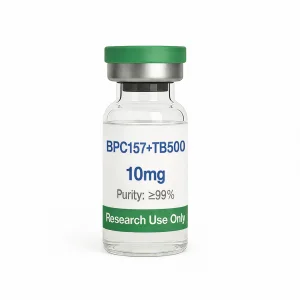
BPC-157 API is a synthetic pentadecapeptide that has gained increasing attention in peptide research due to its biological activities related to tissue repair, gastrointestinal protection, angiogenesis, and inflammatory pathways.
View Details
With continuous developments in neuroscience and peptide technology, neuroactive peptides remain pivotal. Semax, derived from an ACTH fragment, is manufactured to supreme purity standards for advanced life science studies.
View Details
SS-31 API, also known as Elamipretide, MTP-131, and Bendavia, is a synthetic mitochondria-targeting tetrapeptide designed to bind cardiolipin in the inner mitochondrial membrane, supporting bioenergetics and cellular respiration stability.
View DetailsAs the pharmaceutical industry transitions toward automated synthesis, green chemistry, and digital quality monitoring, Gentolex is pioneering operational methodologies across several key areas:
Transitioning traditional batch chemistry into continuous micro-reactor continuous flow channels. Reduces reaction times, increases hazardous reaction safety, and enhances yield consistency for key intermediates like DMAC and citrate plasticizers.
Integrating artificial intelligence predictive modeling to determine optimal coupling parameters, solvent consumption ratios, and protective group strategies during SPPS, dramatically minimizing chemical waste.
Replacing toxic organic solvents with eco-friendly alternatives (e.g., 2-MeTHF, CPME, aqueous peptide coupling routes) to comply with upcoming carbon reduction mandates and global environmental safety regulations.
Expert answers to common queries regarding API procurement, quality documentation, compliance, and supply chain logistics.


Discover our comprehensive portfolio of specialty plasticizers, polar solvents, catalytic complexes, and novel active peptides.