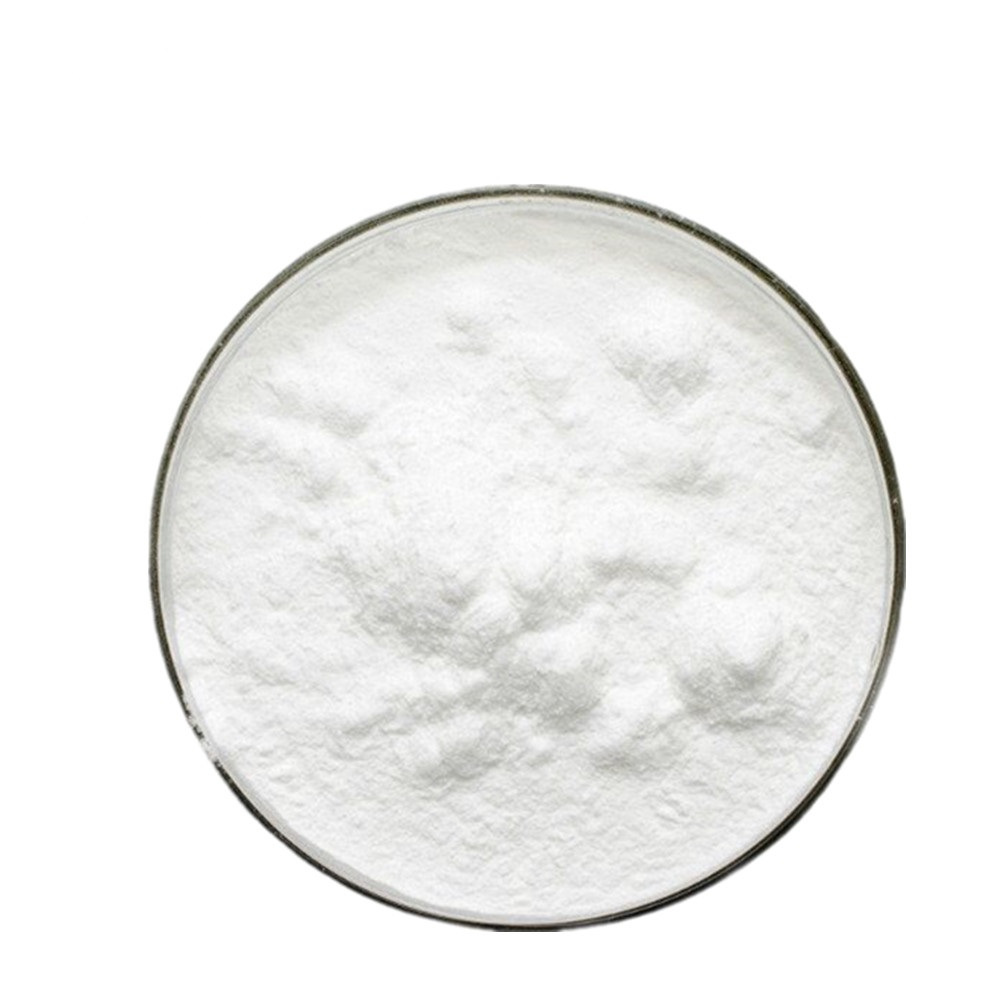

China Vardenafil Dihydrochloride Treating Erectile Dysfunction 224785-91-5 Factories, Companies

CAS number: 224785-91-5 Molecular formula: C23H32N6O4S Molecular weight: 488.6 EINECS Number: 607-088-5 Melting point: 230-235°C Density: 1.37 Flash point: 9℃ Storage conditions: Sealed in dry, Store in freezer, under -20°C Acidity coefficient: (pKa) 9.86±0.20 (Predicted)

Product Description

Product Specifications
Name Vardenafil Dihydrochloride
CAS number 224785-90-4
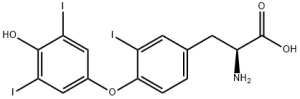
Molecular formula C23H32N6O4S
Molecular weight 488.6
EINECS Number 607-088-5
Melting Point 230-235°C
Density 1.37
Storage condition Sealed in dry, Store in freezer, under -20°C
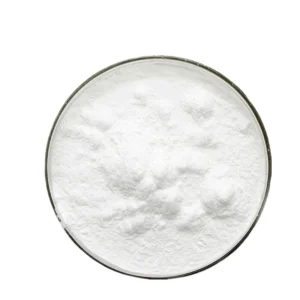
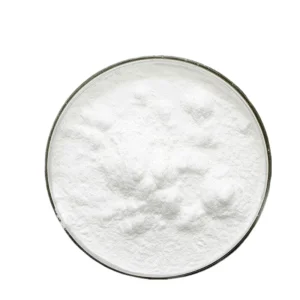
Form Powder
Color White
Acidity coefficient (pKa) 9.86±0.20 (Predicted)
Synonyms & Chemical Identifiers
VARDENAFIL(SUBJECTTOPATENTFREE); VARDENAFILHYDROCHLORIDETRIHYDRATE(SUBJECTTOPATENTFREE); 2-(2-Ethoxy-5-(4-ethylpiperazin-1-yl-1-sulfonyl)phenyl)-5-methyl-7-propyl-3H-imidazo(5,1-f)(1,2,4)triazin-4-one; Vardenafilhydrochloridetrihydrate99%; VardenafilHydrochlorideTrihydrate Cas#224785-90-4ForSale; ManufacturersSupplybestqualityVardenafilhydrochloridetrihydrate224785-90-4CASNO.224785-90-4; FADINAF; 1-[[3-(1,4-Dihydro-5-methyl-4-oxo-7-propylimidazo[5,1-f][1,2,4]triazin-2-yl)-4-ethoxyphenyl]sulfonyl]-4-ethyl-piperazinehydrochloridetrihydrate
Pharmacological Action

This drug is a phosphodiesterase type 5 (PDE5) inhibitor. Oral administration of this drug can effectively improve the quality and duration of erection, and improve the success rate of sexual life in male patients with erectile dysfunction.

The initiation and maintenance of penile erection is related to the relaxation of cavernosal smooth muscle cells, and cyclic guanosine monophosphate (cGMP) is a mediator of the relaxation of cavernosal smooth muscle cells. This drug prevents the decomposition of cGMP by inhibiting phosphodiesterase type 5, thereby causing the accumulation of cGMP, the relaxation of the smooth muscle of the corpus cavernosum, and the erection of the penis.

Compared with phosphodiesterase isozymes 1, 2, 3, 4, and 6, this drug has high selectivity for type 5 phosphodiesterase. Some data show that its selectivity and inhibitory effect on phosphodiesterase type 5 are better than other phosphodiesterase type 5 inhibitors. Type phosphodiesterase inhibitors are few.

Medicinal Properties and Applications
  • Interaction with CYP 3A4 Inhibitors: When used together with CYP 3A4 inhibitors (such as ritonavir, indinavir, saquinavir, ketoconazole, itraconazole, erythromycin, etc.), it can inhibit the metabolism of this drug in the liver, increase plasma concentration, prolong half-life, and increase the incidence of adverse reactions (such as hypotension, visual changes, headache, facial flushing, priapism). This drug should be avoided in combination with ritonavir and indinavir. When used in combination with erythromycin, ketoconazole, and itraconazole, the maximum dose of this drug should not exceed 5 mg, and the dose of ketoconazole and itraconazole should not exceed 200 mg.
  • Contraindications & Dietary Effects: Patients taking nitrates or receiving nitric oxide donor therapy should avoid using this drug in combination. Its mechanism of action is to further increase the concentration of cGMP, resulting in enhanced antihypertensive effect and increased heart rate. When used together with α-receptor blockers, it can enhance the antihypertensive effect and lead to hypotension. Therefore, the use of this drug is prohibited for those who are using α-receptor blockers. A medium-fat diet (30% of fat calories) had no significant effect on the pharmacokinetics of a single oral dose of 20 mg of this drug, and a high-fat diet (more than 55% of fat calories) could prolong the peak time of this drug and reduce the blood concentration peak of this drug by about 18%.
Pharmacokinetics

It is rapidly absorbed after oral administration, the absolute bioavailability of oral tablet is 15%, and the average time to peak is 1h (0.5-2h). Oral solution 10mg or 20mg, the average peak time is 0.9h and 0.7h, the average peak plasma concentration is 9µg/L and 21µg/L, respectively, and the duration of drug effect can reach 1h.

The protein binding rate of this drug is about 95%. 1.5h after a single oral dose of 20 mg, the drug content in the semen is 0.00018% of the dose.

The drug is mainly metabolized in the liver by cytochrome P450 (CYP) 3A4, and a small amount is metabolized by CYP 3A5 and CYP 2C9 isoenzymes. The main metabolite is M1 formed by the deethylation of the piperazine structure of this drug. M1 also has the effect of inhibiting phosphodiesterase 5 (about 7% of the total efficacy), and its blood concentration is about 26% of the parent blood concentration, and can be further metabolized.

The excretion rates of drugs in the form of metabolites in feces and urine are about 91% to 95% and 2% to 6%, respectively. The overall clearance rate is 56 L per hour, and the half-lives of the parent compound and M1 are both about 4 to 5 hours.
Frequently Asked Questions (FAQ)
1. What is Vardenafil Dihydrochloride and how does it work?
Vardenafil Dihydrochloride is a phosphodiesterase type 5 (PDE5) inhibitor. It works by preventing the breakdown of cGMP, causing smooth muscle relaxation in the corpus cavernosum, which improves the quality and duration of an erection.
2. What are the storage requirements for Vardenafil Dihydrochloride?
It should be kept sealed in a dry environment and stored in a freezer under -20°C.
3. How does food consumption affect the absorption of this drug?
A medium-fat diet (30% fat calories) has no significant effect on pharmacokinetics. However, a high-fat diet (over 55% fat calories) can delay peak absorption time and reduce peak blood concentration by approximately 18%.
4. Which medications are contraindicated with Vardenafil Dihydrochloride?
It is contraindicated for use with nitrates, nitric oxide donors, and α-receptor blockers due to severe hypotensive risks. Combination with strong CYP 3A4 inhibitors like ritonavir and indinavir should also be avoided.
5. What is the metabolic and excretion profile of Vardenafil Dihydrochloride?
It is primarily metabolized in the liver via CYP 3A4 into the M1 metabolite. Excretion occurs mainly through feces (91% to 95%) and to a lesser extent in urine (2% to 6%), with a half-life of roughly 4 to 5 hours.

Related Products