
Buy Acetyl Tributyl Citrate Used as Plasticizer and Stabilizer Manufacturers, Factories

Name: Acetyl tributyl citrate CAS Number: 77-90-7 Molecular formula: C20H34O8 Molecular weight: 402.48 EINECS No.: 201-067-0 Melting point: -59 °C Boiling point: 327 °C Density: 1.05 g/mL at 25 °C (lit.) Vapor Pressure: 0.26 psi (20 °C)

Product Description

Synonyms & Identifiers
Tributyl2-(acetyloxy)-1,2,3-propanetricarboxylicacid; tributylcitrateacetate; Uniplex 84; butyl acetylcitrate; TRIBUTYL ACETYLCITRATE 98+%; CITROFLEX A4 FOR GAS CHROMATOGRAPHY; FEMA 3080; ATBC

Technical Specifications

Chemical Name Acetyl tributyl citrate
CAS Number 77-90-7
Molecular Formula C20H34O8
Molecular Weight 402.48
EINECS No. 201-067-0
Melting Point -59 °C
Boiling Point 327 °C
Density 1.05 g/mL at 25 °C (lit.)
Vapor Pressure 0.26 psi (20 °C)
Refractive Index n20/D 1.443 (lit.)
Flash Point >230 °F
Storage Conditions Store below +30°C.
Solubility Not miscible with water, miscible with ethanol (96 per cent) and with methylene chloride.
Form Neat
Water Solubility <0.1 g/100 mL
Freezing Point -80 ℃

Physical & Chemical Overview

Appearance & Solubility

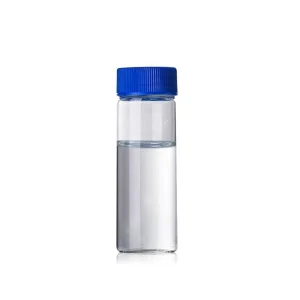
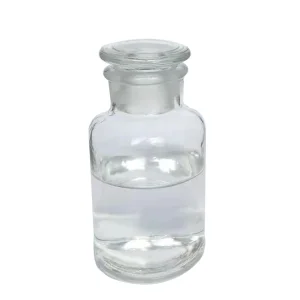
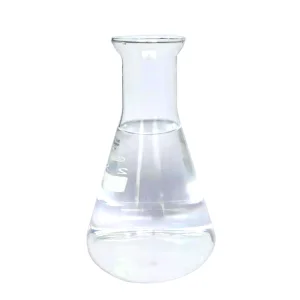
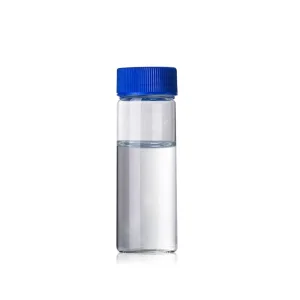
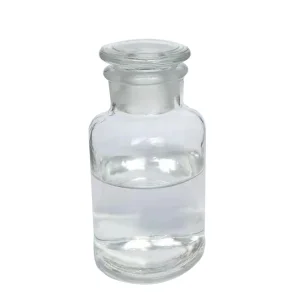
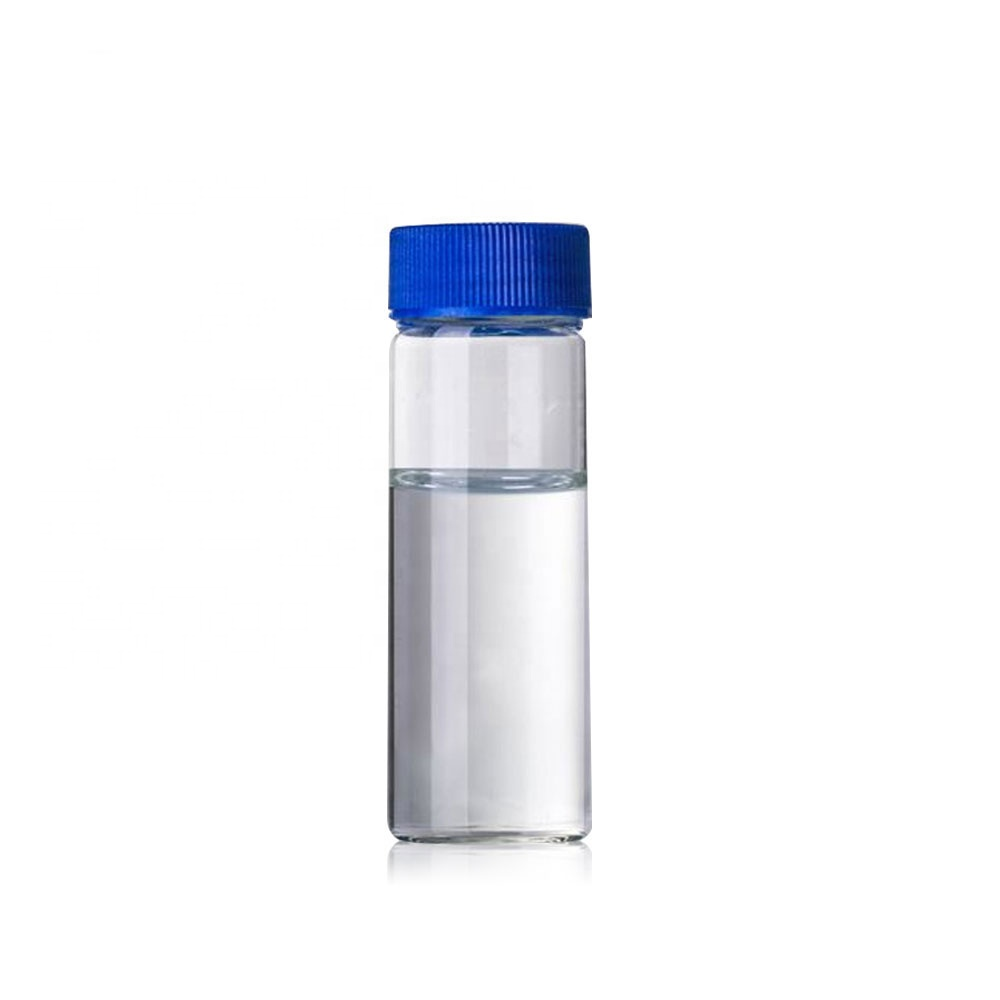
Colorless, odorless oily liquid. Insoluble in water (<0.1 g/100 mL), soluble in most organic solvents. Miscible with ethanol (96%) and methylene chloride.

Compatibility

Compatible with a variety of cellulose, vinyl resins, and chlorinated rubber. Partially compatible with cellulose acetate and butyl acetate.

Key Features & Performance

Safety & Non-Toxicity

A non-toxic, tasteless, and safe plasticizer. Approved by the U.S. F.D.A. for meat food packaging materials and children's toys.

High Resistance Properties

Demonstrates excellent heat resistance, cold resistance, light resistance, and water resistance during processing and application.

Thermal & Low-Temp Stability

Exhibits low volatility, low extraction rate, good transparency, and low-temperature flexural properties. Thermally stable during sealing without discoloration.

Applications

Widely used in the packaging of fresh meat and dairy products, PVC medical products, chewing gum, non-toxic PVC granulation, films, sheets, and cellulose coatings. It functions effectively as a plasticizer for polyvinyl chloride, cellulose resin, and synthetic rubber, and serves as a stabilizer for polyvinylidene chloride.
Frequently Asked Questions (FAQ)

1. What is Acetyl Tributyl Citrate (ATBC)?
Acetyl tributyl citrate (CAS No. 77-90-7) is a non-toxic, odorless, and colorless oily liquid plasticizer used as a safe alternative to traditional plasticizers in resins, polymers, and rubbers.
2. Is Acetyl Tributyl Citrate safe for food packaging and medical products?
Yes, ATBC is approved by the U.S. FDA for use in meat food packaging materials and toys. It is widely applied in medical PVC products, dairy packaging, fresh meat packaging, and chewing gum due to its non-toxic and tasteless properties.
3. What are the key chemical characteristics of ATBC?
ATBC has a molecular formula of C20H34O8, a molecular weight of 402.48, a boiling point of 327 °C, and a density of 1.05 g/mL at 25 °C. It has very low water solubility (<0.1 g/100 mL) but is miscible with ethanol and organic solvents.
4. Which materials are compatible with Acetyl Tributyl Citrate?
ATBC is compatible with a wide range of polymers including cellulose, vinyl resins, and chlorinated rubber. It is also partially compatible with cellulose acetate and butyl acetate.
5. What performance advantages does ATBC offer in plasticization?
Resins plasticized with ATBC exhibit high transparency, low-temperature flexibility, excellent heat and light resistance, low volatility, and minimal extraction rates in various media. It also maintains color stability during heat sealing.
6. How should Acetyl Tributyl Citrate be stored?
ATBC should be stored in a cool, dry place with temperatures kept below +30°C to preserve its chemical stability and performance.

Related Products