
High-Quality Dipotassium Tetrachloroplatinate 10025-99-7 Factory, Companies

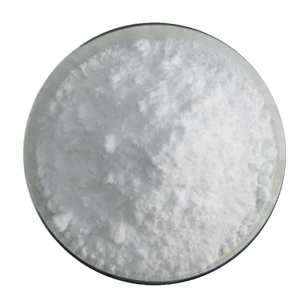
Name: dipotassium tetrachloroplatinate CAS number: 10025-99-7 Molecular formula: Cl4KPt- Molecular weight: 375.98 EINECS Number: 233-050-9 Melting point: 250°C Density: 3.38 g/mL at 25 °C(lit.) Storage: Conditions: Inert atmosphere, Room Temperature Form: Crystals or Crystalline Powder

Product Description

Technical Specifications

Name Dipotassium tetrachloroplatinate
CAS Number 10025-99-7
Molecular Formula Cl4KPt-
Molecular Weight 375.98
EINECS Number 233-050-9
Melting Point 250°C
Density 3.38 g/mL at 25 °C(lit.)
Storage Conditions Inert atmosphere, Room Temperature
Form Crystals or Crystalline Powder
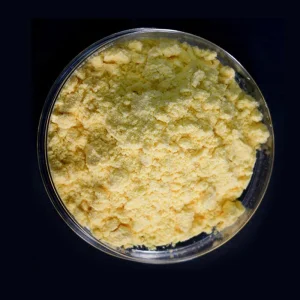
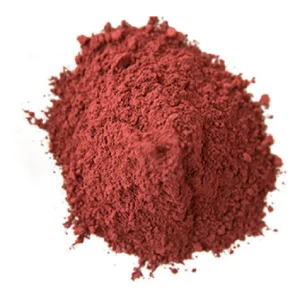
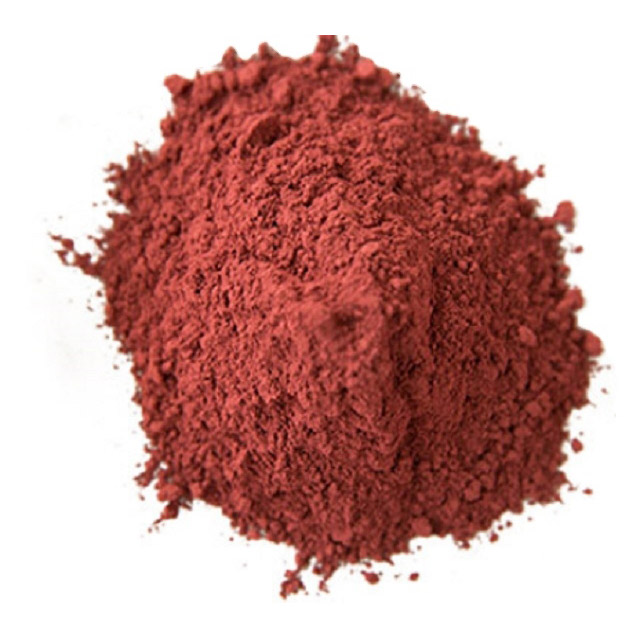
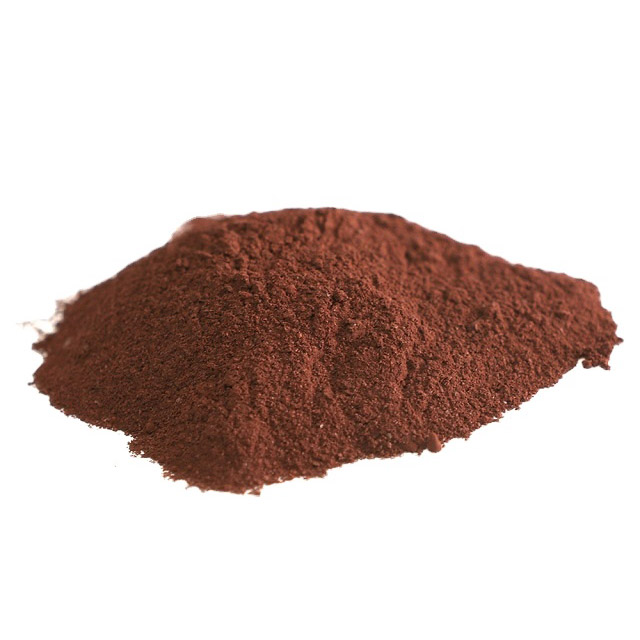
Color Red-brown
Specific Gravity 3.38
Water Solubility 10 g/L (20 ºC)
Sensitivity Hygroscopic
Stability Stable. Incompatible with acids, strong oxidizing agents.
Synonyms
PLATINOUSPOTASSIUMCHLORIDE; PLATINUM(II)DIPOTASSIUMTETRACHLORIDE; PLATINUM(II)POTASSIUMCHLORIDE; PLATINUM(OUS)POTASSIUMCHLORIDE; PLATINUMPOTASSIUMCHLORIDE; POTASSIUMCHLOROPLATINITE; POTASSIUMPLATINUMTETRACHLORIDE; POTASSIUMPLATINOUSCHLORIDE

Product Overview & Applications

Chemical Properties

Potassium chloroplatinite is a dark red / red-brown prismatic flaky crystal. It is easily soluble in water—0.93g (16°C) and 5.3g (100°C) per 100mL water—and insoluble in alcohol and organic solvents. It remains stable in air, but contact with ethanol will cause reduction.

Key Applications

Widely used as a starting material for the manufacture of various platinum complexes and pharmaceuticals. It serves as an important raw material for other platinum compounds, oxaliplatin intermediates, and is used in the preparation of precious metal catalysts, precious metal plating, and as analytical reagents.

Service & Quality Management

Confidentiality

All confidentiality-related documents and client information are strictly protected. Confidential Disclosure Agreements (CDA) can be signed to guarantee proper implementation and protection.

Registration

For products requiring registration documents, specific conditions such as the signing of a CDA, supply agreement, and defined order quantities are required to guarantee project success.

Complaint Procedure

Market complaints are recorded immediately. Quality complaints are categorized into Level C (severe product quality impact), Level B (possible impact), and Level A (no impact). QA completes investigations within 10 days, and customers receive a formal reply within 15 days.
Frequently Asked Questions (FAQ)

Q1 What is the CAS Number and Molecular Weight of Dipotassium tetrachloroplatinate?
The CAS Number for Dipotassium tetrachloroplatinate is 10025-99-7, and its Molecular Weight is 375.98.
Q2 What are the recommended storage conditions for this compound?
It should be stored under an Inert atmosphere at Room Temperature.
Q3 What is the solubility profile of Potassium chloroplatinite?
It is easily soluble in water (10 g/L at 20 ºC; 0.93g at 16°C and 5.3g at 100°C per 100mL water). However, it is insoluble in alcohol and organic solvents.
Q4 What are the primary industrial applications of Potassium chloroplatinite?
It is primarily used as a starting material for platinum complexes and pharmaceuticals, precious metal catalysts, precious metal plating, oxaliplatin intermediates, and analytical reagents.
Q5 Is Dipotassium tetrachloroplatinate stable under normal atmospheric conditions?
Yes, it is stable in air and hygroscopic. However, it is incompatible with acids and strong oxidizing agents, and contact with ethanol will cause reduction.
Q6 What is the procedure and timeline for resolving quality complaints?
Quality complaints are categorized into Level A, B, or C depending on severity. QA completes the investigation within 10 days of notification, and a full customer reply is issued within 15 days.

Related Products