1 / 2

Dioctyl sebacate, also known as bis-2-ethylhexyl sebacate, or DOS for short, is obtained by esterification of sebacic acid and 2-ethylhexanol. Suitable for polyvinyl chloride, vinyl chloride copolymer, nitrocellulose, ethyl cellulose, and synthetic rubber.
It has high plasticizing efficiency and low volatility, possessing not only excellent cold resistance, but also good heat resistance, light resistance, and electrical insulation. It provides good lubricity when heated, ensuring a superior appearance and feel for the final products. It is especially suitable for manufacturing cold-resistant wire and cable materials, artificial leather, films, plates, and sheets.
In addition, the product is used as lubricating oil and lubricating grease for jet engines, as well as a stationary liquid for gas chromatography. The product is non-toxic; a dosage of 200mg/kg mixed into feed and fed to rats for 19 months showed no toxic effects and no carcinogenicity, making it safe for food packaging materials.
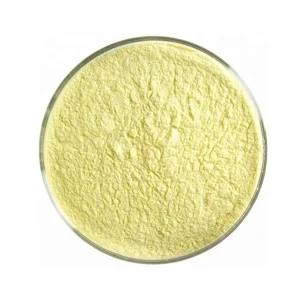
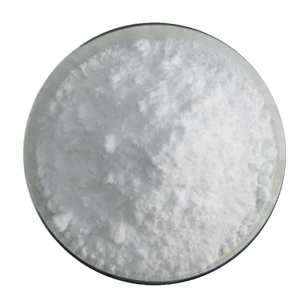
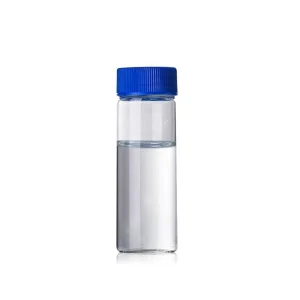
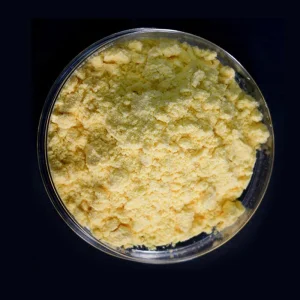
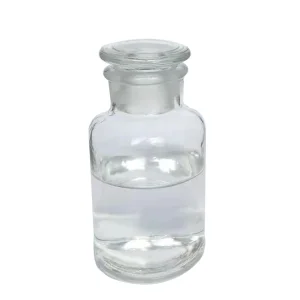
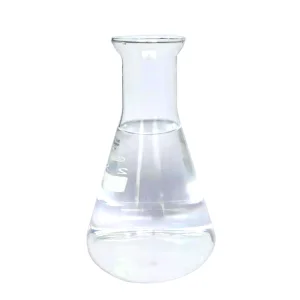
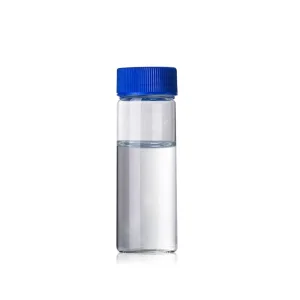
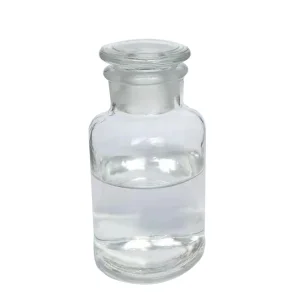
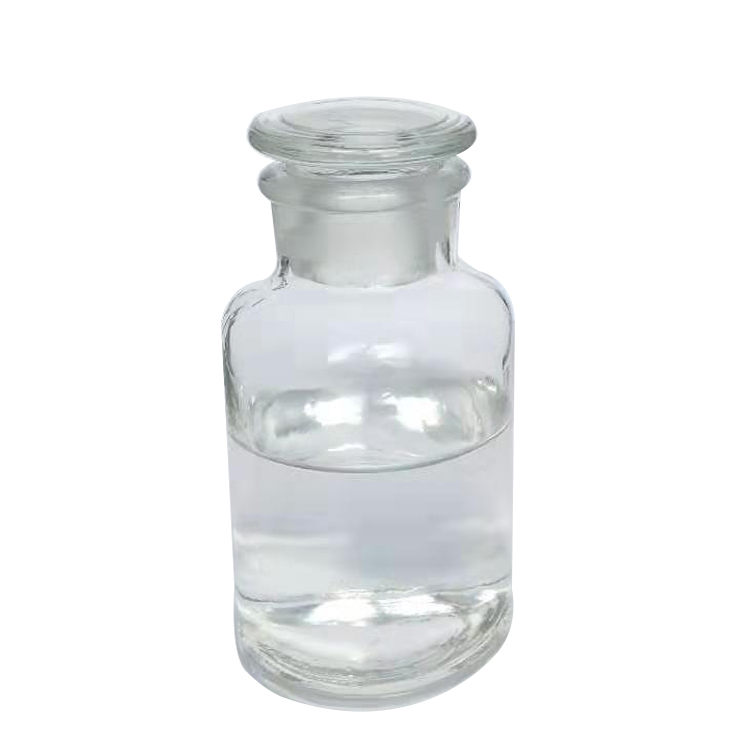
Colorless to pale yellow liquid, insoluble in water, soluble in ethanol, ether, benzene, and other organic solvents. It can be mixed with ethyl cellulose, polystyrene, polyethylene, polyvinyl chloride, vinyl chloride-vinyl acetate copolymer, etc., demonstrating outstanding cold resistance.
| Property | Specification |
|---|---|
| Product name | Dioctyl sebacate/DOS |
| CAS Number | 122-62-3 |
| Molecular Formula (MF) | C26H50O4 |
| Molecular Weight (MW) | 426.67 |
| EINECS | 204-558-8 |
| Melting point | -55 °C |
| Boiling point | 212 °C (1 mm Hg lit.) |
| Density | 0.914 g/mL at 25 °C (lit.) |
| Vapor pressure | <0.01 hPa (20 °C) |
| Refractive index | n20/D 1.450 (lit.) |
| Flash Point | >230 °F |
| Storage conditions | Store below +30°C |
| Solubility | <1g/l |
| Form | Liquid |
| Color | Clear slightly yellow |
| Water solubility | <0.1 g/L (20 ºC) |
Dioctyl sebacate (also known as bis-2-ethylhexyl sebacate or DOS) is a high-efficiency plasticizer obtained by the esterification of sebacic acid and 2-ethylhexanol.
DOS is suitable for PVC, vinyl chloride copolymers, nitrocellulose, ethyl cellulose, and synthetic rubber. It is widely used in cold-resistant wires and cables, artificial leather, films, plates, sheets, jet engine lubricants, and stationary liquids for gas chromatography.
Yes, DOS is non-toxic. Studies feeding rats 200mg/kg over 19 months showed no toxic effects or carcinogenicity, making it safe for use in food packaging materials.
It offers high plasticizing efficiency, low volatility, excellent cold resistance, good heat and light resistance, electrical insulation, and superior lubricity when heated.
DOS is insoluble in water (<0.1 g/L at 20 ºC) but soluble in organic solvents such as ethanol, ether, and benzene.
Dioctyl sebacate (DOS) should be stored in a cool place below +30°C.