
Wholesale Sodium tetrachloropalladate 13820-53-6 Exporter, Exporters

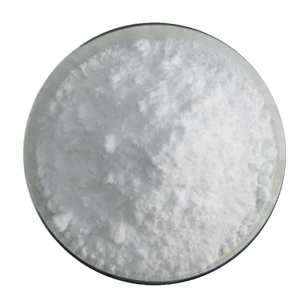
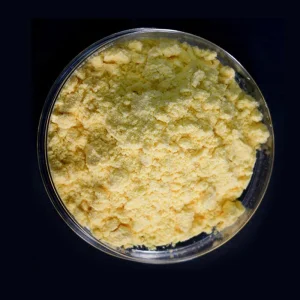
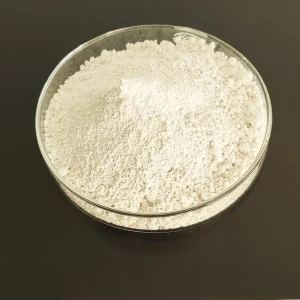
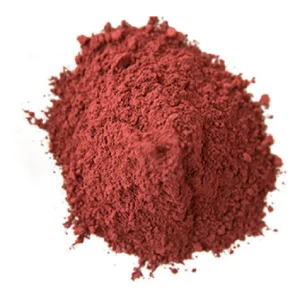
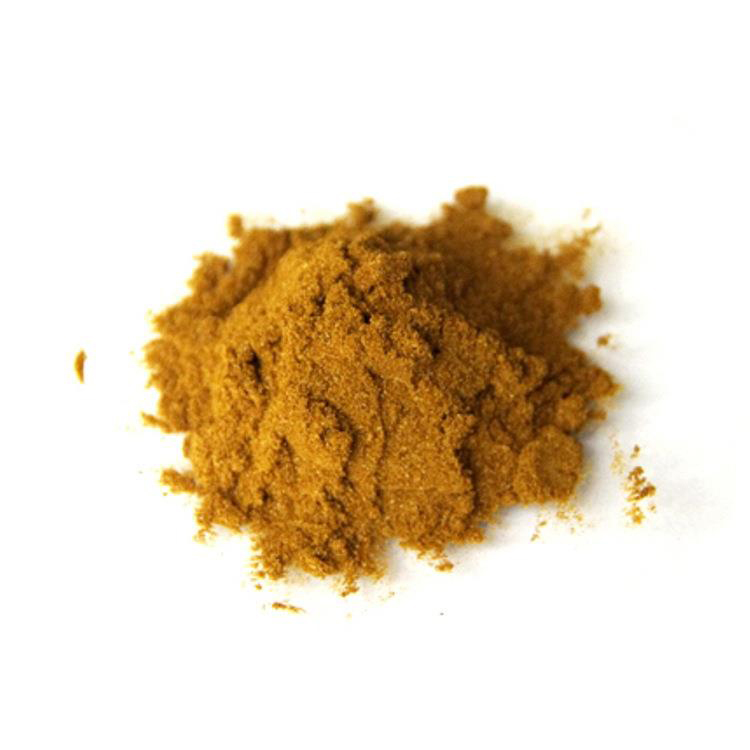
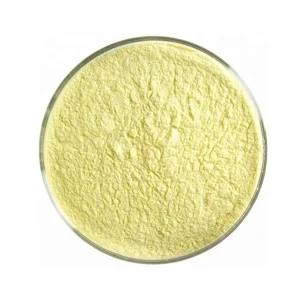
Name: Sodium tetrachloropalladate (II) CAS number: 13820-53-6 Molecular formula: Cl4NaPd- Molecular weight: 271.21 EINECS Number: 237-502-6 Storage conditions: Inert atmosphere, Room Temperature Form: Powder and Granules Crystals Color: Red-brown Water solubility: SOLUBLE Sensitivity: Hygroscopic

Product Description

📋

Technical Specifications

Product NameSodium tetrachloropalladate (II)
CAS Number13820-53-6
Molecular FormulaCl4NaPd-
Molecular Weight271.21
EINECS Number237-502-6
Storage ConditionsInert atmosphere, Room Temperature
FormPowder and Granules Crystals
ColorRed-brown
Water SolubilitySOLUBLE
SensitivityHygroscopic
Hazard Symbol (GHS)GHS05, GHS07
Hazard DescriptionH290-H302-H318
Precautionary StatementsP280f-P305+P351+P338
Dangerous Goods SignXi
Hazard Category Code36/38
🔍

Product Description & Applications

Primary Application: Used to test the presence of gases such as carbon monoxide.

Purified water is utilized in production and equipment cleaning for API. The water is generated from city water through a rigorous pre-treatment process including multi-media filters, softeners, activated carbon filters, and reverse osmosis (RO). The system ensures constant circulation at 25±2℃ with a flow rate of 1.2m/s.

Synonyms: Palladate,tetrachloro-,sodium,trihydrate; sodiumchloropalladate; tetrachloro-palladatedisodium; SODIUMTETRACHLOROPALLADATE(II)TRIHYDRATE, REDDISH-BROWNPWDR.; Palladate(2-),tetrachloro-,disodium,(SP-4-1)-; Sodiumtetrachloropalladate(II)trihydrate, 99%; Sodiumtetrachloropalladate(II), 99.9% (metals basis), Pd 35.4% min; Sodiumtetrachloropalladate(II) hydrate, 99.95% (metals basis), Pd 30%.
⚙️

System Sanitization & Monitoring

Sanitization of the distribution system, including loops and storage tanks, is performed via Pasteurization. During this process, water in the tank is heated to 80°C and circulated for 1 hour. This procedure is strictly performed every quarter and documented in the sanitization logbook.

Monitoring protocols include:
  • TOC Monitoring: Conducted weekly by QC.
  • Conductivity Monitoring: Recorded every four hours at primary RO, secondary RO, EDI, and return points.
  • Quality Standards: Conforms to USP specifications (≤ 1.3 µs/cm at 25°C).
  • Comprehensive Testing: Includes pH, nitrates, nitrites, ammonia, heavy metals, microbial limits, and bacterial endotoxin levels.
💡

Frequently Asked Questions

What is the primary use of Sodium tetrachloropalladate (II)?
It is primarily used as a reagent to test for the presence of gases like carbon monoxide and in various chemical synthesis processes.
How should this chemical be stored?
It must be stored under an inert atmosphere at room temperature. Due to its hygroscopic nature, it should be protected from moisture.
What are the safety hazards associated with this product?
It is classified under GHS05 and GHS07, indicating it may be corrosive to metals (H290), harmful if swallowed (H302), and causes serious eye damage (H318).
How often is the purified water system sanitized?
The system undergoes Pasteurization sanitization at 80°C every quarter to ensure microbial control and system integrity.
What parameters are included in the weekly water quality test?
Weekly full tests for main supply points include character, pH, nitrate, conductivity, TOC, heavy metals, and bacterial endotoxin levels.
Is the purified water compliant with international standards?
Yes, the water quality is maintained to conform to USP specifications, specifically keeping conductivity no more than 1.3 µs/cm at 25°C.

Related Products