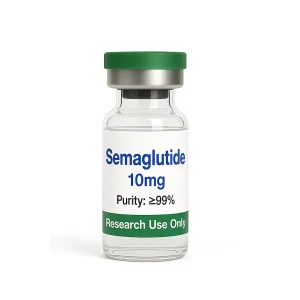
High-purity lyophilized formulations, synthetic peptides, and biopharmaceutical APIs manufactured to international cGMP standards.
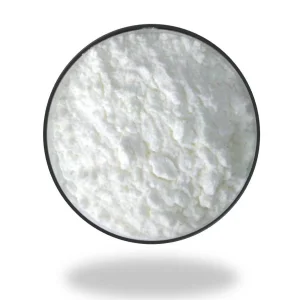
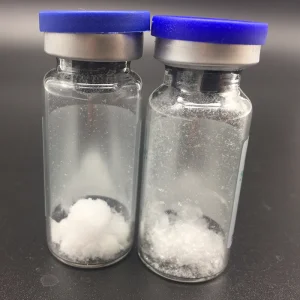
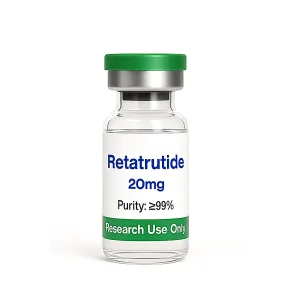
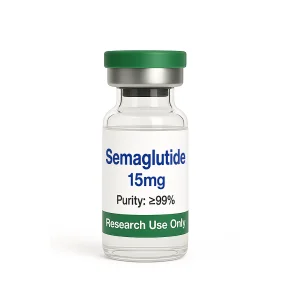
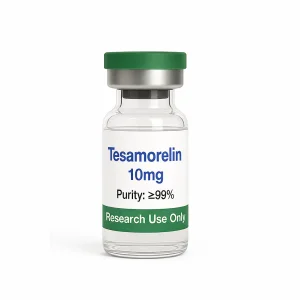
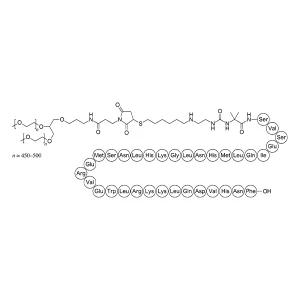
In the rapidly evolving biopharmaceutical landscape, Human Growth Hormone (hGH, Somatropin) and related recombinant peptide therapies represent one of the most commercially critical product categories worldwide. However, the integrity of these biological drugs relies heavily on specialized primary packaging systems. The 2ml tubular glass vial paired with specialized, ultra-durable pressure-sensitive packaging labels has emerged as the global standard for reconstituted and lyophilized biopharmaceutical delivery.
As leading 2ml Vial Label Growth Hormone Factories & Exporters, industry leaders must solve complex engineering challenges: maintaining print legibility under cryogenic storage (-80°C), implementing anti-counterfeiting tracking systems, preventing moisture/solvent migration, and ensuring seamless compliance with international health authority guidelines, such as the US FDA's Drug Supply Chain Security Act (DSCSA) and EU Falsified Medicines Directive (FMD).
The global recombinant Human Growth Hormone market is experiencing unprecedented demand driven by expanding indications in pediatric growth hormone deficiency (GHD), adult hormone replacement therapies, short bowel syndrome, and idiopathic short stature, alongside off-label anti-aging and wellness applications. Global B2B buyers—including pharmaceutical distributors, clinical research institutes, and contract manufacturing organizations (CMOs)—are shifting procurement criteria to prioritize vendors capable of providing fully integrated vial packaging ecosystems.
Delivering worldwide biopharmaceutical sourcing, state-of-the-art laboratory infrastructure, and cGMP certified production capabilities.
Designing high-performance labels for small-radius glass containers demands sophisticated material selection. A small vial's high curve-tightness exerts constant memory pull (restoring force) on self-adhesive films, creating a risk of edge-lifting or "flagging." Top-tier 2ml vial label exporters employ specialized multi-layer synthetic substrates engineered specifically for pharmaceutical applications.
Paper labels are inadequate for premium biologics due to moisture absorption, tearing, and micro-particle shedding in cleanrooms. Premium suppliers utilize Biaxially Oriented Polypropylene (BOPP) or Polyethylene Terephthalate (PET) films with thickness profiles ranging from 40 to 60 microns. These films exhibit exceptional tensile strength, chemical resistance against alcohol cleanroom wipes, and high flexibility to conform tightly to 2ml standard tubular glass contours without winging.
The label adhesive is an active safety feature. Adhesives used for 2ml Growth Hormone packaging must fulfill strict criteria:
To combat illegal distribution networks, specialized 2ml Growth Hormone labels incorporate integrated security elements:
Custom 3D optical diffractive structures embedded into the label film that cannot be photocopied or recreated without specialized master tooling.
High-resolution 2D barcodes containing Unique Device Identifiers (UDI), Lot Numbers, Expiry Dates, and dynamic randomized validation tokens.
Integrated tear-lines, destructive micro-cuts, or void-transfer patterns that immediately display "VOID" if peeling or repositioning is attempted.
B2B procurement directors facing the modern biopharmaceutical supply chain must manage volatile lead times, stringent customs regulatory scrutiny, and high quality assurance costs. Buying 2ml vial labels or finished peptide APIs requires a strategic partnership with integrated manufacturers who understand both chemical production and secondary packaging ecosystems.
1. Elimination of Supply Chain Fragmentations: Working with separate peptide manufacturers, label printing vendors, vial suppliers, and rubber stopper fabricators introduces high friction and validation overheads. Integrated B2B suppliers offer turn-key solutions—delivering sterile 2ml glass vials, custom-printed high-security labels, flip-off caps, and raw peptide APIs under unified quality agreements.
2. Regulatory Documentation Support: Global buyers require comprehensive documentation packages including Certificate of Analysis (CoA), Drug Master Files (DMF), Stability Testing Reports, ISO certifications, and cleanroom particle count logs to streamline regional health authority filings.
3. Scalable Batch Sizes & Rapid OEM Turnaround: From small pilot-batch clinical trial labeling (1,000 units) to commercial-scale production runs (millions of units), modern manufacturing facilities must provide flexible flexographic and digital roll-to-roll printing setups with 100% automated optical camera inspection.
Creating opportunities connecting the world with better services and guaranteed products.
Gentolex’s goal is to create opportunities connecting the world with better services and guaranteed products. Up to date, Gentolex Group has been serving customers from more than 10 countries, specially, representatives are established in Mexico and South Africa. Our main services focus on supplying peptides APIs and Custom Peptides, FDF license out, Technical Support & Consultation, Product Line and Lab Setup, Sourcing & Supply Chain Solutions.
Our main operations leverage an overall factory construction area of 250,000 square meters built strictly under international standards to offer flexible, scalable, and cost-effective solutions for pharmaceutical clients worldwide.
An overall factory construction area of 250,000 square meters under international standard to offer flexible, scalable and cost-effective solutions.
Gentolex offers an extensive range of APIs and intermediates for development study and commercial application with cGMP standard from long-term collaborations.
Custom peptide synthesis, bio-conjugation, and formulation optimization tailored to demanding customer specifications.
For clients preferring to avoid multiple contacts, we provide customized procurement services with superior, consolidated supply chain sources.


Biopharmaceutical international trade is heavily governed by strict regional regulations. Exporting 2ml Growth Hormone vials and custom primary packaging into regional markets like North America, Europe, Latin America (specifically Mexico), and Africa (specifically South Africa) requires localized compliance capabilities.
Labels destined for global markets must fulfill complex multi-jurisdictional criteria. This includes statutory font sizes for active drug concentration display (IU/mg), INN (International Nonproprietary Name) standards, multi-language caution warnings, storage humidity constraints, and regional distributor registration marks.
Growth hormone proteins degrade rapidly if exposed to ambient temperature spikes. Packaging components must survive the full cold-chain journey: phase-change cooling packs, dry ice transport containers, and high-humidity condensation environments during thaw cycles. Certified 2ml labels utilize specialized varnish layers and synthetic adhesives that resist moisture saturation, solvent condensation, and ink smudging throughout the cold supply chain.
With established representative nodes in Mexico and South Africa, Gentolex offers localized technical consultation, regulatory dossier support, and expedited customs clearing assistance for regional pharmaceutical importers across LATAM and African continents.
The pharmaceutical packaging sector is undergoing a digital revolution. Next-generation 2ml vial labels are transitioning from passive identification stickers into active digital interfaces that interact directly with healthcare providers and patients.
Ultra-thin Near Field Communication (NFC) antenna coils embedded directly between label substrate layers allow instant smartphone authentication, patient dosing reminders, and real-time digital batch tracking without unboxing.
Integrated smart inks that irreversibly change color if a 2ml hGH vial experiences temperature excursion above 8°C, providing instant visual verification of cold-chain integrity before administration.
Automated AI optical inline inspection systems verifying microscopic printing defects, barcode readability grades (ISO 15415 standard), and sub-millimeter label application alignment on 100% of vials during high-speed production.
Explore our latest scientific updates, peptide API developments, and clinical research insights.

Introduction to Selank Acetate API: Selank Acetate API is a synthetic heptapeptide active pharmaceutical ingredient composed of the sequence Thr-Lys-Pro-Arg-Pro-Gly-Pro. Developed through neuropharmacological research...

Trusted Thymosin Beta-4 API Manufacturer and Global Peptide Supplier: As a professional Thymosin Beta-4 API manufacturer, we provide high-quality Tβ4 peptide solutions for biotech companies and research organizations...

BPC-157 API is a synthetic pentadecapeptide that has gained increasing attention in peptide research due to its potential biological activities related to tissue repair, gastrointestinal protection, and angiogenesis...

With the continuous development of neuroscience and peptide technology, neuroactive peptides have become an important scientific investigation area. Semax, derived from an ACTH fragment, attracts global attention...

SS-31 API, also known as Elamipretide, MTP-131, Bendavia, and SS31, is a synthetic mitochondria-targeting tetrapeptide designed to bind cardiolipin in the inner mitochondrial membrane and support cellular bioenergetics...
Expert answers regarding 2ml vial labeling standards, peptide export logistics, cGMP documentation, and enterprise OEM setups.
Explore additional specialized synthetic compounds, metabolic peptides, and gastrointestinal therapeutics.