1 / 1

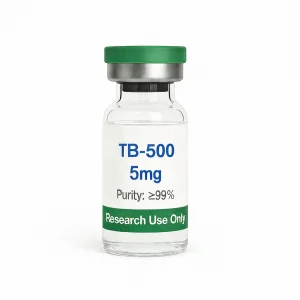
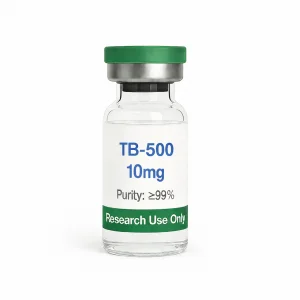
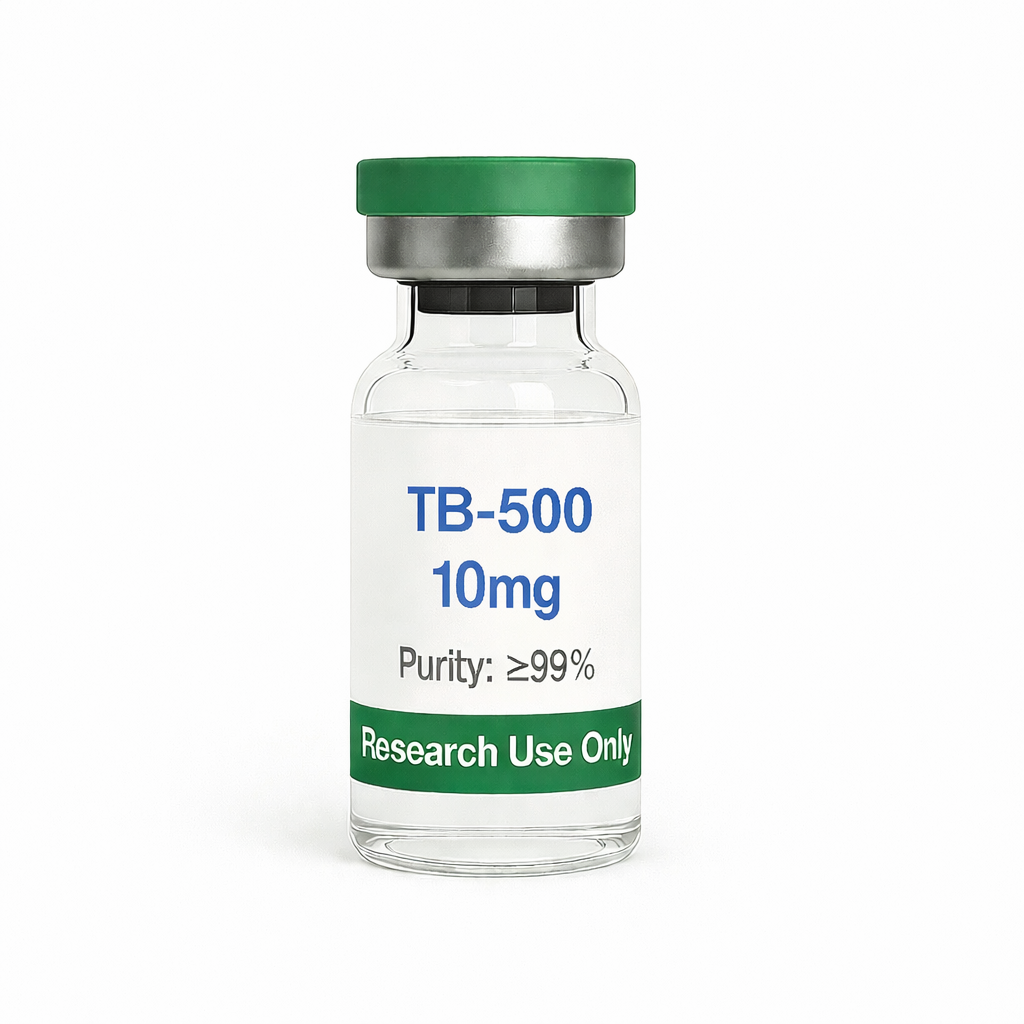
TB-500 peptide, also known as synthetic thymosin β4 or Tβ4, is a synthetic version of the naturally occurring protein thymosin β4. The latter is naturally present in thymus cells and is encoded by the TMSB4X gene. Researchers believe that TB-500 peptide may have similar potential as thymosin β4.
TB-500 peptide is not only water-soluble and low in molecular weight, but it is also a 43-amino-acid peptide that is abundant in wound exudates rich in platelets. This peptide may possess potential anti-inflammatory properties and may promote nervous system repair, as well as healing processes in the spinal cord, heart, and epidermis. (1)
TB-500 peptide, also referred to as thymosin β4, contains a unique peptide segment (17)LKKTETQ(23), which serves as its active site. Researchers believe this segment may influence actin binding, cell migration, and wound healing. (2)
The amino acid sequence of TB-500 is:
Actin is a critical component of the cytoskeleton, maintaining cell structure and participating in various cellular functions, including cell motility. Actin plays an essential role in these cellular structures and processes. Thymosin β4 and its derivative TB-500 are believed to interact with actin, potentially by binding to globular actin (G-actin), the precursor to filamentous actin (F-actin).
This interaction is thought to inhibit the conversion of G-actin to F-actin (actin sequestration), potentially increasing the availability of G-actin. The inhibition of F-actin formation by thymosin β4 may alter cytoskeletal structures, thereby affecting cell motility and morphological changes. These changes are relevant to various physiological and pathological conditions in which cell movement is crucial, such as wound healing, tissue regeneration, and cancer metastasis. (3)
Additionally, thymosin β4 is found not only intracellularly but also extracellularly, for example in plasma and wound exudates. Preliminary studies suggest that extracellular thymosin β4 may influence cell motility and angiogenesis. (11,12) It is hypothesized that thymosin β4 may exert these effects by interacting with ATP synthase on the cell surface, which is essential for cellular energy production. These findings indicate that thymosin β4 has a broad range of action, affecting both intracellular and extracellular processes.
TB-500 is a synthetic version of thymosin β4 (Tβ4), a naturally occurring protein encoded by the TMSB4X gene and found within thymus cells.
The primary active site of TB-500 is the unique peptide segment (17)LKKTETQ(23), which is believed to play a central role in cell migration, actin binding, and wound healing.
TB-500 binds to globular actin (G-actin) and inhibits its conversion into filamentous actin (F-actin). This process alters cytoskeletal structures and affects cellular motility.
Research indicates potential applications in nervous system repair, spinal cord healing, heart tissue recovery, epidermal wound healing, and hair growth stimulation.
Thymosin β4 occurs both intracellularly and extracellularly. It is prominently found in blood plasma and in platelet-rich wound exudates.
It is hypothesized that extracellular thymosin β4 interacts with ATP synthase on the cell surface, which plays a vital role in cellular energy production and motility.