1 / 1

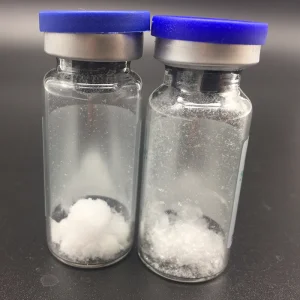
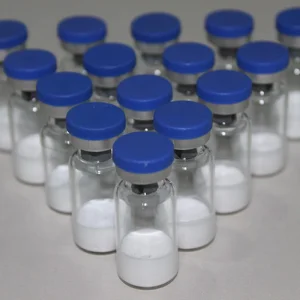
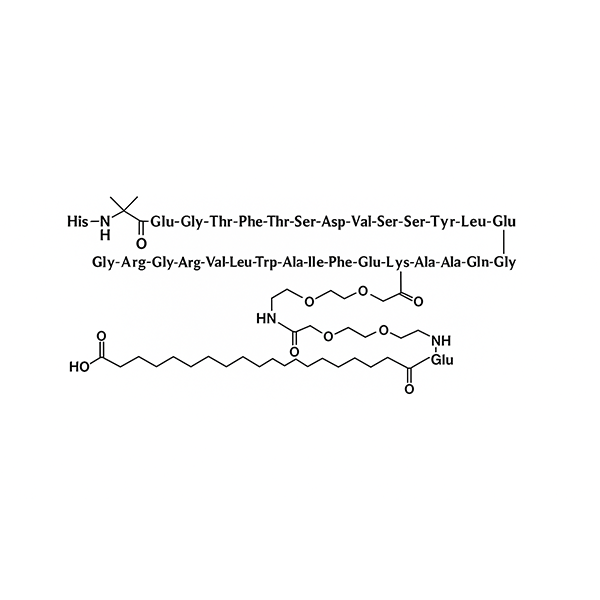
Semaglutide is a synthetic long-acting glucagon-like peptide-1 (GLP-1) receptor agonist, developed for the treatment of type 2 diabetes mellitus and obesity. Structurally modified to resist enzymatic degradation and enhance half-life, Semaglutide allows for convenient once-weekly dosing, significantly improving patient adherence.
Our Semaglutide API is produced via a fully synthetic process, eliminating risks associated with biological expression systems, such as host cell protein or DNA contamination. The entire manufacturing process has been developed and validated at kilogram scale, meeting the stringent quality requirements outlined in the FDA’s 2021 guidance on ANDA submissions for high-purity synthetic peptide drugs.
Semaglutide mimics human GLP-1, an incretin hormone that plays a critical role in glucose metabolism. It acts through several synergistic mechanisms:
Stimulates insulin secretion in a glucose-dependent manner.
Suppresses glucagon secretion, reducing hepatic glucose output.
Delays gastric emptying, leading to improved postprandial glycemic control.
Reduces appetite and energy intake, supporting weight loss.
Extensive clinical studies (e.g., the SUSTAIN and STEP trials) have demonstrated that Semaglutide:
Significantly lowers HbA1c and fasting plasma glucose levels in type 2 diabetes patients
Promotes substantial and sustained weight loss in overweight or obese individuals
Reduces cardiovascular risk markers such as blood pressure and inflammation
With a favorable safety profile and broad metabolic benefits, Semaglutide has become a first-line GLP-1 RA in diabetes and anti-obesity therapy. Our API version maintains high structural fidelity and low impurity levels (≤0.1% unknown impurities by HPLC), ensuring excellent pharmacological consistency.
Semaglutide API is a synthetic long-acting GLP-1 receptor agonist developed for treating type 2 diabetes mellitus and managing chronic weight loss/obesity.
It is manufactured using a fully synthetic process. This method eliminates the risks of host cell protein or DNA contamination associated with biological expression systems.
Yes, the manufacturing process is validated at kilogram scale and meets the stringent requirements outlined in FDA's 2021 guidance for ANDA submissions of high-purity synthetic peptide drugs.
The API offers high structural fidelity and exceptionally low impurity levels, maintaining unknown impurities at ≤0.1% as measured by HPLC.
Extensive clinical programs, including the SUSTAIN and STEP trials, demonstrate its effectiveness in lowering HbA1c, driving sustained weight loss, and lowering cardiovascular risk markers.