1 / 1

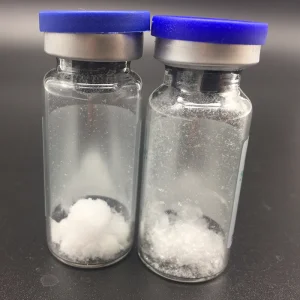
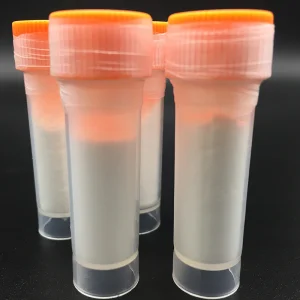
Carbetocin, an oxytocin (OT) analog, is an oxytocin receptor agonist with a Ki of 7.1 nM. Carbetocin has a high affinity (Ki=1.17 μM) for the chimeric N-terminus of the oxytocin receptor. Carbetocin has potential for postpartum hemorrhage research. Carbetocin can penetrate the blood-brain barrier and has antidepressant-like activity by activating oxytocin receptors in the CNS.
Carbetocin is a synthetic long-acting oxytocin 8-peptide analog with agonist properties, and its clinical and pharmacological properties are similar to those of naturally occurring oxytocin. Like oxytocin, carbetocin binds to the hormone receptors of uterine smooth muscle, causing rhythmic contractions of the uterus, increasing its frequency and increasing uterine tone on the basis of the contractions of the original. Oxytocin receptor levels in the uterus are low in the non-pregnant state, increase during pregnancy, and peak during labor. Therefore, carbetocin has no effect on the non-pregnant uterus, but has a potent uterine contractile effect on the pregnant uterus and the newly produced uterus.
Changes are controlled according to the procedure. Based on the impact and risk and severity, changes are classified as Major, Minor and Site. Site changes have slight impact on safety and quality of product, and therefore do not need approval and notification to the customer; Minor changes have moderate impact on safety and quality of product, and need to notify the customer; Major changes have higher impact on safety and quality of product, and need approval by the customer.
According to the procedure, change control is started with change application in which change details and rational for the change are described. The evaluation is then performed following the application, which is done by change control relevant departments. Meanwhile, the change control is classified into Major level, General level and Minor level. After appropriate evaluation as well as the classification, all level change control should be approved by QA Manager. The change control is executed after approval according to the action plan. The change control is finally closed after QA confirms the change control has been appropriately implemented. If involving client notification, the client should be notified timely after change control approved.
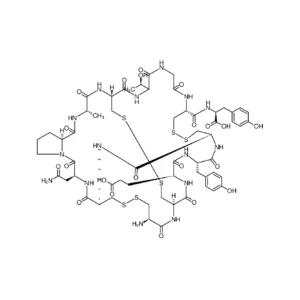
Carbetocin is a synthetic long-acting oxytocin 8-peptide analog with agonist properties. Its CAS number is 37025-55-1, molecular formula is C45H69N11O12S, and molecular weight is 988.17.
Carbetocin should be stored in powder form at a temperature of -15°C to preserve its stability and quality.
Carbetocin binds to oxytocin receptors in uterine smooth muscle, inducing rhythmic uterine contractions, increasing contraction frequency, and enhancing baseline uterine tone.
No. Oxytocin receptor levels are low in the non-pregnant uterus, so Carbetocin has no effect on non-pregnant uterine tissue. Receptor levels increase during pregnancy and peak during labor, making Carbetocin effective on pregnant and newly delivered uterus.
Yes, Carbetocin can penetrate the blood-brain barrier and demonstrates antidepressant-like activity by activating oxytocin receptors within the central nervous system (CNS).
Changes are evaluated based on risk, severity, and impact, categorized into Major, Minor, and Site levels. All change controls must be approved by the QA Manager and executed via an action plan before closure and necessary client notifications.