1 / 1

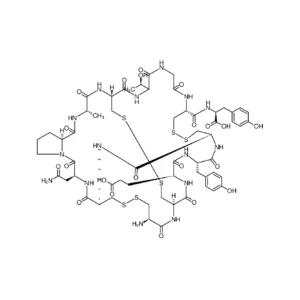
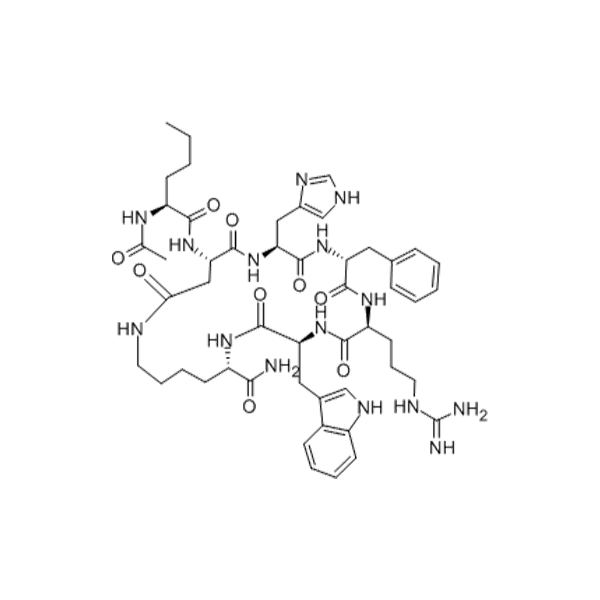
Melanotan II is a synthetic cyclic heptapeptide analog of α-melanocyte-stimulating hormone (α-MSH), developed to stimulate melanogenesis, enhance UV protection, and modulate sexual and metabolic functions. It acts as a non-selective agonist of melanocortin receptors, particularly MC1R, MC3R, and MC4R.
Originally studied for its tanning and photoprotective properties, Melanotan II has also shown effects on libido enhancement, appetite suppression, and energy balance, making it a multifunctional research peptide with interest in dermatology, endocrinology, and sexual medicine.
Melanotan II works by activating several melanocortin receptors:
Stimulates melanin production → increases skin pigmentation and UV protection.
Involved in appetite control, libido enhancement, and energy homeostasis.
Crosses the blood-brain barrier, influencing central neurohormonal pathways.
Although not approved for medical use, Melanotan II is widely studied for the following:
Melanotan II is a synthetic cyclic heptapeptide analog of α-melanocyte-stimulating hormone (α-MSH) designed to stimulate melanogenesis and modulate metabolic and sexual functions in research settings.
Melanotan II acts as a non-selective agonist targeting melanocortin receptors, specifically MC1R, MC3R, and MC4R.
It activates the MC1R receptor, which stimulates eumelanin synthesis to increase skin pigmentation and enhance UV protection.
By interacting with MC3R and MC4R receptors and crossing the blood-brain barrier, Melanotan II acts on central hypothalamic pathways to modulate appetite control and energy homeostasis.
The API is synthesized via solid-phase peptide synthesis (SPPS), featuring a high purity level of ≥ 99% (HPLC & LC-MS confirmed), low endotoxins, and low residual solvents.