1 / 1

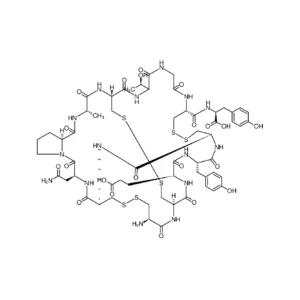
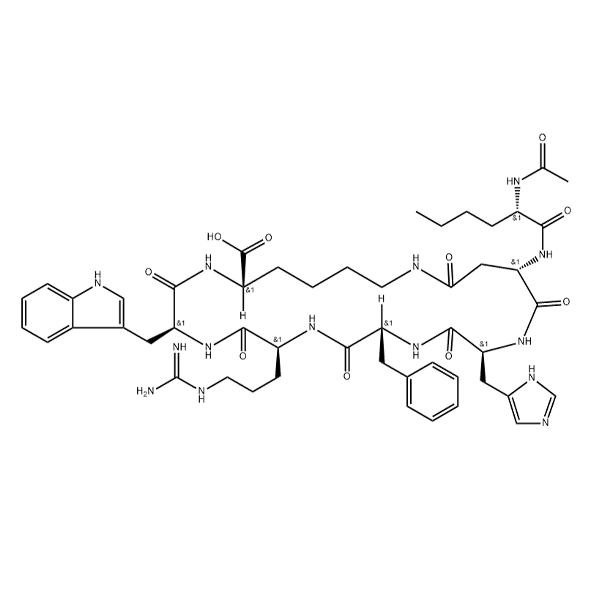
Bremelanotide is a synthetic melanocortin receptor agonist developed for the treatment of hypoactive sexual desire disorder (HSDD) in premenopausal women. As the first centrally acting therapy specifically approved for HSDD, Bremelanotide represents a significant advancement in female sexual health.
Approved by the U.S. FDA in 2019 under the brand name Vyleesi, Bremelanotide offers an on-demand, non-hormonal solution for women experiencing persistent lack of sexual desire, which cannot be explained by medical, psychological, or relationship issues.
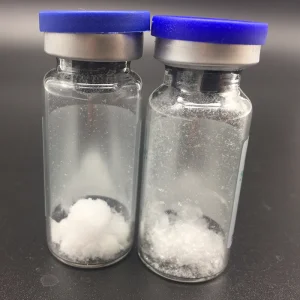
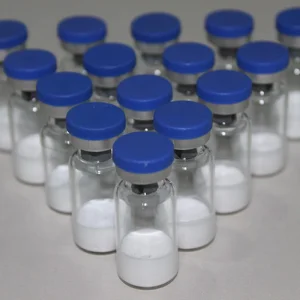
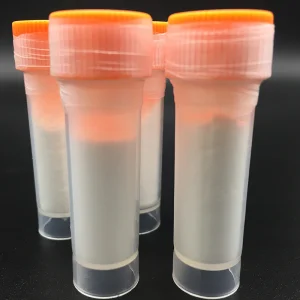
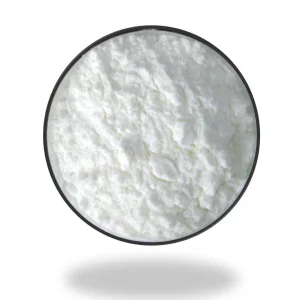
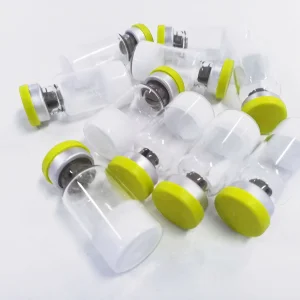
Bremelanotide API is produced through solid-phase peptide synthesis (SPPS), ensuring high purity, low impurities, and consistency suitable for clinical and commercial injectable formulations.
Bremelanotide works by activating melanocortin receptors, particularly MC4R (melanocortin-4 receptor) in the central nervous system. This activation is believed to modulate pathways in the hypothalamus that are involved in sexual arousal and desire.
Key effects include:
This mechanism makes Bremelanotide distinct from traditional hormonal therapies and suitable for a wider population of women.
Bremelanotide has been evaluated in multiple Phase 2 and Phase 3 clinical trials, involving thousands of women diagnosed with HSDD.
Key findings include:
In clinical studies, up to 25%–35% of patients experienced meaningful improvement versus placebo.
Bremelanotide API highlights:
Beyond HSDD, Bremelanotide’s mechanism has prompted interest in other areas of sexual and neuroendocrine modulation, including:
Its well-characterized peptide profile and central nervous activity continue to support potential development in adjacent therapeutic areas.
Bremelanotide is a synthetic melanocortin receptor agonist approved for the treatment of generalized hypoactive sexual desire disorder (HSDD) in premenopausal women.
Bremelanotide acts directly on the central nervous system via melanocortin-4 receptors (MC4R) in the hypothalamus to modulate sexual desire, without relying on estrogen or testosterone modulation.
Bremelanotide is designed for on-demand use prior to anticipated sexual activity, typically formulated as a subcutaneous injection via an autoinjector pen.
The primary side effects observed in clinical trials are mild to moderate and self-limiting, including transient nausea, facial flushing, and headache.
Bremelanotide API is produced using advanced Solid-Phase Peptide Synthesis (SPPS), ensuring high chemical purity, low impurity profiles, and compliance with stringent quality standards for injectable drugs.
Yes, research suggests potential therapeutic applications in male sexual dysfunction, mood-related disorders, and metabolic or energy regulation pathways within the central nervous system.