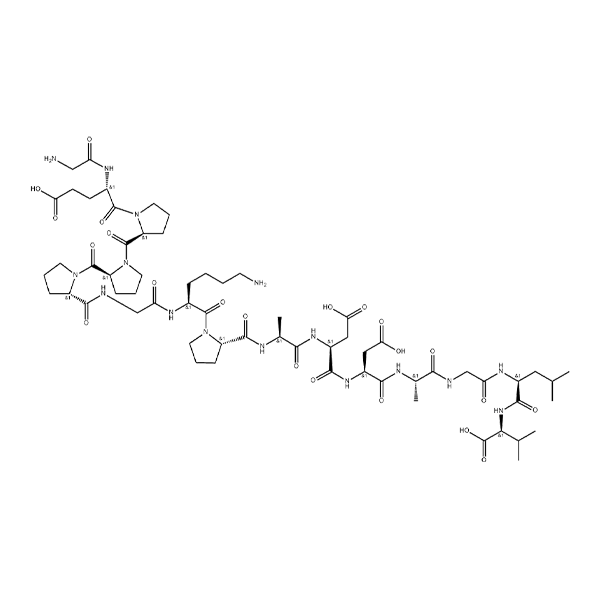
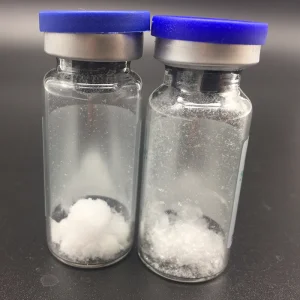
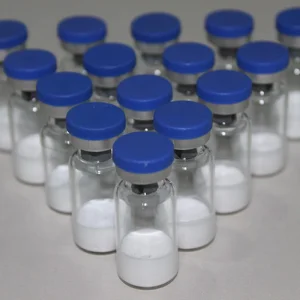
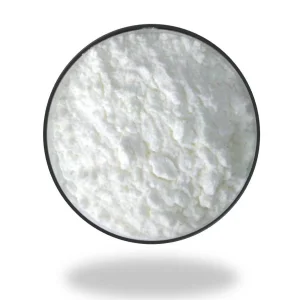
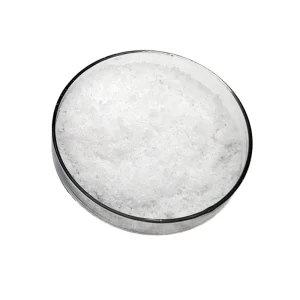
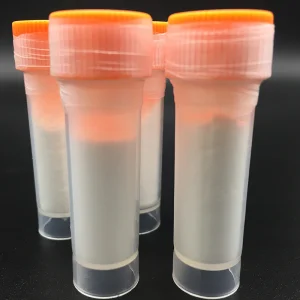
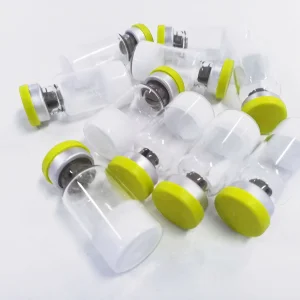
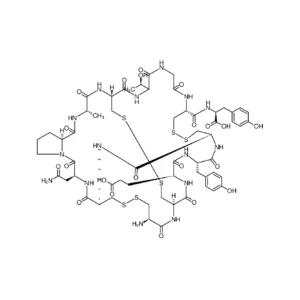
BPC-157 API adopts solid phase synthesis (SPPS) process:
High purity: ≥99% (HPLC detection)
Low impurity residue, no endotoxin, no heavy metal pollution
Batch stability, strong repeatability, support injection level use
Support gram and kilogram level supply to meet the needs of different stages from R&D to industrialization.
BPC-157 (full name: Body Protection Compound 157) is a synthetic short peptide composed of 15 amino acids, derived from a sequence of natural protective proteins in human gastric juice. It has shown extensive tissue repair and anti-inflammatory capabilities in experimental studies and is widely regarded as a highly promising multifunctional peptide drug candidate.
As an active pharmaceutical ingredient (API), BPC-157 has been used in many scientific research fields around the world to explore its biological activity in the gastrointestinal tract, musculoskeletal system, nervous system, cardiovascular system and soft tissue repair, especially in trauma repair and anti-inflammatory research.
Research & Pharmacological Mechanism of Action
1. Tissue Regeneration & Trauma Repair
Promotes tendon, ligament, bone, and soft tissue regeneration, enhancing angiogenesis.
Accelerates wound healing, postoperative repair, and recovery of soft tissue injuries (verified in tendon rupture, muscle strain, and fracture models).
2. Gastrointestinal Protection
Significant mucosal protective effect in gastric ulcer, enteritis, and colitis models.
Resists gastrointestinal damage caused by NSAIDs and promotes intestinal mucosal healing.
3. Anti-inflammatory & Immunity
Regulates immune balance by inhibiting pro-inflammatory factors (TNF-α, IL-6) and upregulating anti-inflammatory factors.
Potential auxiliary treatment for rheumatoid arthritis and inflammatory bowel disease (IBD).
4. Neuroprotection & Regeneration
Promotes nerve regeneration and reduces damage in spinal cord injury, nerve contusion, and cerebrovascular models.
Fights anxiety, depression, and alcohol dependence in experimental stages.
5. Cardiovascular Protection
Improves vascular permeability and promotes microvascular repair.
Positive effects on myocardial ischemia, venous thrombosis, and arterial injury.
Experimental & Preclinical Research Results
Accelerated Repair: Significantly accelerates tissue repair time (e.g., 50% acceleration of tendon healing).
Organ Protection: Significantly reduces the incidence of gastric bleeding, intestinal injury, and colon ulcers.
Nerve Recovery: Improves nerve conduction recovery and enhances the function of the innervated area.
Vascular Growth: Increases angiogenesis and granulation tissue formation rate.
API Production & Quality Control
The BPC-157 API adopts solid phase synthesis (SPPS) process and is produced under strict GMP conditions to satisfy research and industrial needs:
≥ 99% Purity
HPLC Detection
High Safety
Low impurity residue, no endotoxin, no heavy metals
Gram & Kilogram levels for R&D to industrialization
Frequently Asked Questions (FAQ)
Q1: What is BPC-157 API?
BPC-157 (Body Protection Compound 157) is a synthetic short peptide composed of 15 amino acids, derived from a natural protective protein sequence in human gastric juice. As an Active Pharmaceutical Ingredient (API), it is widely studied for tissue repair and anti-inflammatory application.
Q2: What are the main areas of biological research for BPC-157?
BPC-157 is primarily investigated in gastrointestinal tract repair, musculoskeletal injuries, nervous system protection, cardiovascular repair, and general soft tissue healing.
Q3: How does BPC-157 benefit gastrointestinal health in studies?
In experimental models like gastric ulcers and colitis, BPC-157 exhibits significant mucosal protective effects, helps resist NSAID-induced gastrointestinal damage, and accelerates intestinal mucosal healing.
Q4: What key results have preclinical animal experiments shown?
Preclinical studies indicate up to 50% accelerated tendon healing, reduced risk of gastric bleeding and colon ulcers, improved nerve conduction recovery, and an increased rate of angiogenesis and granulation tissue formation.
Q5: What are the quality specifications for BPC-157 API production?
The API is produced using Solid Phase Peptide Synthesis (SPPS) under GMP conditions. It features a purity level of ≥99% (by HPLC), zero endotoxin/heavy metal contamination, high batch stability, and is suitable for injection-level usage across gram to kilogram scales.