Explore our top-grade active pharmaceutical ingredients, specialty chemical intermediates, and custom peptide solutions.
A Comprehensive Technical Evaluation of Toluene-2,5-Diamine Sulfate (CAS 6369-59-1) Synthesis, Molecular Mechanics, Regulatory Standards, and Scalable Industrial Integration.
2,5-Diaminotoluene Sulfate (also designated scientifically as toluene-2,5-diamine sulfate, 4-methyl-benzene-1,3-diamine sulfate, or 2-methyl-p-phenylenediamine sulfate; CAS Registry Number 6369-59-1 / Base CAS 615-50-9) serves as a paramount organic precursor and primary oxidation intermediate within industrial color chemistry, fine chemical synthesis, and advanced materials engineering. Structurally characterized by a benzene ring substituted with a methyl group at position 1, two primary amino functions at positions 2 and 5, and stabilized chemically as a sulfate salt (C7H10N2·H2SO4, Molecular Weight: 220.25 g/mol), this chemical species displays superior chemical stability and controlled reactivity profiles relative to its free-base counterpart.
The sulfate salt form mitigates premature atmospheric oxidation, extends shelf-life under standard storage conditions, and enhances water solubility—critical traits for industrial formulations requiring exact stoichiometry. When introduced into oxidative aqueous environments (typically mediated by hydrogen peroxide under mild alkaline conditions), 2,5-Diaminotoluene Sulfate undergoes catalyzed oxidation to form reactive quinonediimine intermediates. These intermediates subsequently participate in electrophilic aromatic substitutions with diverse secondary couplers (such as resorcinol, 4-chlororesorcinol, m-aminophenol, and 2,4-diaminophenoxyethanol), yielding stable indamine and indoaniline chromophores characterized by outstanding fastness and intense color saturation.
| Technical Parameter | Enterprise Grade Specification | Analytical Test Method |
|---|---|---|
| Chemical Name | 2,5-Diaminotoluene Sulfate / Toluene-2,5-diamine sulfate | IUPAC Nomenclature |
| CAS Registry Number | 6369-59-1 (Sulfate Salt) / 615-50-9 (Free Base) | CAS Database Verification |
| Molecular Formula | C7H10N2 · H2SO4 | Mass Spectrometry (MS) |
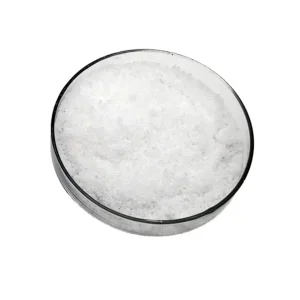
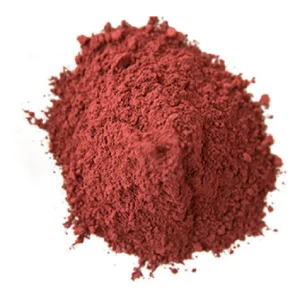
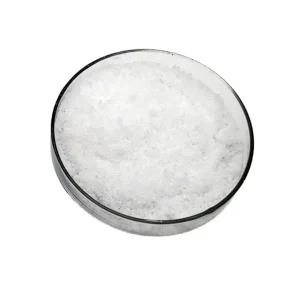
| Appearance | Off-white to light greyish/purple micro-crystalline powder | Visual Inspection |
| Assay / Purity (HPLC) | ≥ 99.5% (Ultra-high purity batch selection available) | High-Performance Liquid Chromatography |
| Loss on Drying | ≤ 0.50% | Gravimetric (105°C to constant weight) |
| Residue on Ignition (Ash) | ≤ 0.10% | Muffle Furnace Ashing (600°C) |
| Heavy Metals (as Pb) | ≤ 10 ppm total (Pb, Cd, As, Hg < 2 ppm individual) | ICP-MS Inductively Coupled Plasma |
| Solubility Profile | Freely soluble in warm water; sparingly soluble in ethanol | Standard Dissolution Protocol |
The global commercial market for primary aromatic diamines is experiencing a profound paradigm shift driven by stringent regulatory frameworks, refined consumer safety demands, and dynamic material technology requirements. Historically, Para-Phenylenediamine (PPD) served as the primary workhorse precursor in oxidative hair dyes and industrial colorants. However, rigorous toxicological and dermatological evaluations conducted by regulatory agencies—such as the Scientific Committee on Consumer Safety (SCCS) in the European Union—have highlighted elevated sensitization indices associated with unformulated PPD.
Consequently, 2,5-Diaminotoluene Sulfate (PTD Sulfate) has emerged as the globally preferred, high-efficiency replacement for PPD. The presence of the electron-donating methyl group at the C-1 position alters the steric environment and electron density of the aromatic ring, significantly reducing allergenicity and dermal sensitization kinetics while maintaining exceptional chromophore yield and tonal richness. Enterprise cosmetics manufacturers across Europe, North America, Japan, and Latin America are increasingly reformulating premium hair color lines to replace PPD with high-purity 2,5-Diaminotoluene Sulfate, driving sustained global compound annual growth rates (CAGR) in industrial demand.
Under European Regulation (EC) No 1223/2009 (Annex III), 2,5-Diaminotoluene Sulfate is authorized for use in oxidative hair dye formulations up to a maximum concentration of 3.6% (calculated as free base) after mixing with hydrogen peroxide. Achieving compliance requires sourcing PTD Sulfate with exceptionally low trace impurities—specifically limiting 2,4-diaminotoluene isomers to non-detectable levels. Gentolex’s catalytic hydrogenation and fractional crystallization methodologies guarantee strict adherence to international safety directives.
China’s chemical manufacturing sector has evolved into a global epicenter of high-tech synthetic efficiency, continuous flow chemistry, and integrated supply chain resilience. As a premier manufacturer and global exporter, Gentolex leverages an overall factory construction area of 250,000 square meters built strictly under international standards to deliver scalable, cost-effective, and cGMP-compliant production of 2,5-Diaminotoluene Sulfate.
Our manufacturing advantage relies on three core pillars:
While predominantly celebrated for its role in cosmetic science, 2,5-Diaminotoluene Sulfate represents a highly versatile synthetic intermediate across multiple industrial sectors:
For global procurement directors, regulatory compliance officers, and supply chain managers, securing reliable chemical precursors involves rigorous verification of analytical documentation and physical handling protocols. Gentolex establishes a seamless end-to-end framework:
Quality Control Protocols: Every production batch of 2,5-Diaminotoluene Sulfate undergoes complete UPLC purity profiling, heavy metal detection via ICP-MS, residual solvent analysis per ICH Q3C guidelines, and Karl Fischer moisture testing. Certificates of Analysis (CoA), Safety Data Sheets (SDS/MSDS), and REACH compliance statements accompany all commercial shipments.
Packaging & Storage Directives: PTD Sulfate is sensitive to atmospheric moisture and light-induced oxidation. We supply material packed in light-shielded, moisture-proof double PE inner bags housed inside fiber drums (25 kg net weight) flushed with dry inert nitrogen. Store in cool, dry, well-ventilated dedicated chemical warehouses away from strong oxidizing agents and direct sunlight.
Connecting the world with guaranteed chemical products, custom peptides APIs, and streamlined international supply chain solutions.
Gentolex’s goal is to create opportunities connecting the world with better services and guaranteed products. Up to date, Gentolex Group has been serving customers from more than 10 countries, specially, representatives are established in Mexico and South Africa. Our main services focus on supplying peptides APIs and Custom Peptides, FDF license out, Technical Support & Consultation, Product Line and Lab Setup, Sourcing & Supply Chain Solutions.
An overall factory construction area of 250,000 square meters under international standard to offer flexible, scalable and cost-effective solutions.
Gentolex offers an extensive range of APIs and intermediates for development study and commercial application with cGMP standard from long-term collaborations. Documents and Certificates are supported to customers worldwide.
Comprehensive contract development and continuous process optimization designed to scale compounds from laboratory bench to multi-ton commercial yields smoothly.
For those clients who prefer to avoid the complexity of dealing with multiple points of contact, we provide extra customized procurement services with the most superior and comprehensive supply chain sources.


Stay informed with expert insights on high-purity APIs, peptide synthesis advancements, and research-grade chemical solutions.

Selank Acetate API is a synthetic heptapeptide active pharmaceutical ingredient composed of Thr-Lys-Pro-Arg-Pro-Gly-Pro sequence, developed for neuropharmacological applications...
View Details
As a professional Thymosin Beta-4 API manufacturer and supplier, we provide high-quality Tβ4 peptide API solutions for biotechnology and pharmaceutical research organizations...
View Details
BPC-157 API is a synthetic pentadecapeptide that has gained increasing attention in peptide research due to its biological activities related to tissue repair and cell regulation...
View Details
With continuous development in neuroscience and life science research, Semax, a synthetic peptide derived from ACTH fragment, has attracted global scientific attention...
View Details
SS-31 API (Elamipretide, MTP-131) is a synthetic mitochondria-targeting tetrapeptide designed to bind cardiolipin in the inner mitochondrial membrane, supporting bioenergetics...
View DetailsAnswers to common technical, regulatory, and commercial procurement inquiries regarding 2,5-Diaminotoluene Sulfate (CAS 6369-59-1).
The free base (CAS 615-50-9) is an aromatic diamine that oxidizes rapidly upon contact with air, altering its stoichiometry and causing darkening in storage. The sulfate salt (CAS 6369-59-1) is a chemically stabilized acid-addition salt that resists ambient oxidation, prolongs shelf-life, provides consistent crystalline purity, and exhibits enhanced water solubility required for precise industrial mixing.
2,5-Diaminotoluene Sulfate (PTD Sulfate) demonstrates a significantly reduced dermal sensitization profile compared to Para-Phenylenediamine (PPD). The methyl substitution at the C-1 position reduces binding kinetics with skin proteins without compromising chromophoric intensity or gray coverage performance when coupled with hydrogen peroxide and secondary couplers.
Every export shipment is backed by a batch-specific Certificate of Analysis (CoA) verified via HPLC and ICP-MS, a comprehensive GHS-compliant Safety Data Sheet (SDS/MSDS), Certificate of Origin (COO), REACH dossier verification, and transport safety certification for sea or air freight.
Material should be kept in unopened original fiber drums lined with double PE moisture-barrier bags. Store in a cool, dry, dark environment below 25°C, sealed under nitrogen head space where possible. Avoid direct sunlight and proximity to strong oxidizing agents or moisture.
Yes. Our modern 250,000 m² synthesis facility includes custom milling, sieving, and micronization units. We can deliver tailored mesh sizes (from standard crystalline powder to ultrafine 200-mesh powder) to ensure optimal dissolution rates for your continuous liquid or cream production processes.
Our synthetic pathway utilizes high-selectivity nitration and catalytic reduction followed by multi-stage fractional crystallization. Every batch is rigorously screened via High-Performance Liquid Chromatography (HPLC) to guarantee that unwanted isomer impurities meet strict EU cosmetics directive limits (non-detectable / < 10 ppm).
Discover our comprehensive range of high-grade raw materials and industrial intermediates available for global dispatch.