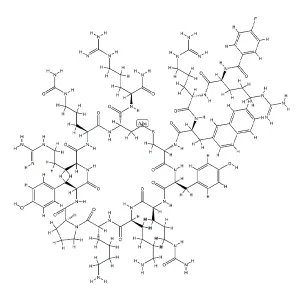
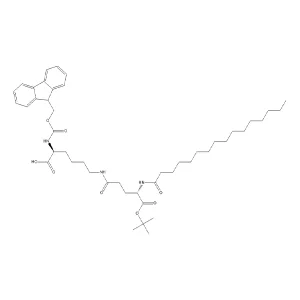
Explore high-purity Active Pharmaceutical Ingredients (APIs), specialized amino acid derivatives, and metabolic regulators directly from verified manufacturing facilities.
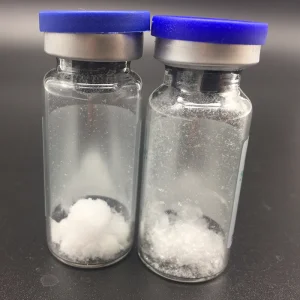
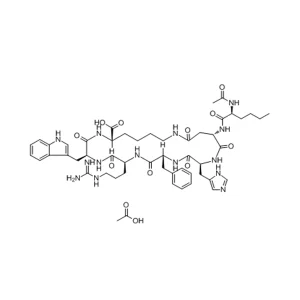
An in-depth chemical engineering, regulatory, and industrial economic analysis of China’s leading Orlistat manufacturing ecosystem.
In the contemporary landscape of global metabolic health and anti-obesity therapeutics, Orlistat (CAS NO. 96827-07-5) remains one of the most clinically proven, widely approved, and non-systemic pharmacotherapeutic agents. Originally derived as a saturated derivative of lipstatin—a natural product isolated from the actinobacterium Streptomyces toxytricini—Orlistat acts as a potent, specific, and reversible inhibitor of gastrointestinal lipases. Unlike injectable peptide-based GLP-1 receptor agonists (such as Semaglutide or Tirzepatide) that work via central nervous system pathways to alter appetite and gastric emptying, Orlistat exerts its action locally within the lumen of the stomach and small intestine.
By covalently binding to the active serine residues of gastric and pancreatic lipases, Orlistat inactivates these enzymes, preventing the hydrolysis of dietary triglycerides into absorbable free fatty acids and monoglycerides. Approximately 30% of ingested dietary fat is thus excreted unabsorbed in the feces, resulting in a consistent caloric deficit without systemic absorption or central nervous system side effects.
Strategic Market Insight: China has emerged as the global epicenter for Orlistat API synthesis, intermediate chemical manufacturing, and Finished Dosage Form (FDF) contract manufacturing. Chinese facilities provide more than 70% of the world’s bulk Orlistat active pharmaceutical ingredients, utilizing advanced bio-fermentation combined with semi-synthetic chemical conversion processes under cGMP compliance.
As pharmaceutical brands, generic drug developers, and over-the-counter (OTC) marketers seek reliable supply chain resilience, understanding the manufacturing capability, chemical synthesis routes, polymorph controls, and regulatory dossier support (such as US FDA DMF, European CEP/COS, and local NMPA approvals) offered by a premier China Orlistat Weight Loss Factory is paramount.
Orlistat is chemical name (S)-((S)-1-((2S,3S)-3-hexyl-4-oxooxetan-2-yl)tridecan-2-yl) 2-formamido-4-methylpentanoate. Its precise stereochemistry requires multi-stage chiral synthesis or controlled fermentation precursor hydrogenation to maintain high therapeutic efficacy.
Orlistat exhibits minimal systemic absorption (<1% bioavailable in plasma), eliminating concerns regarding systemic cardiotoxicity or neuro-psychiatric disturbances. Feces excretion occurs within 48-72 hours post-administration.
Top-tier China factories utilize large-scale microbial fermentation (over 100,000-liter fermenters) for Lipstatin precursor production, followed by catalytic hydrogenation and purification yielding metric-ton scale API output.
Detailed chemical engineering pathways from bio-fermentation of Lipstatin to crystalline Form I & Form II optimization.
The industrial production of Orlistat API relies on two main synthetic strategies: the semi-synthetic fermentation route and the total synthetic pathway. In China's commercial pharmaceutical industry, the semi-synthetic route from biological precursor Lipstatin remains the commercially dominant and cost-effective method.
1. Fermentation: Culturing high-yield mutants of Streptomyces toxytricini in media rich in specific lipids and amino acids.
2. Extraction & Isolation: Solvents extract Lipstatin featuring a beta-lactone ring with unsaturated double bonds.
3. Catalytic Hydrogenation: Selective hydrogenation of double bonds under palladium on carbon (Pd/C) or nickel catalysts turns Lipstatin into Orlistat API.
4. Crystallization: Multi-solvent recrystallization to isolate pure crystalline forms.
1. Chiral Starting Materials: Utilizing optically active precursors such as L-malic acid or chiral epoxy derivatives.
2. Beta-Lactone Ring Closure: Constructing the 4-membered oxetan-2-one core through stereoselective coupling.
3. Acylation: Attaching N-formyl-L-leucine side chains via peptide coupling reagents.
4. Advantages/Challenges: Avoids fermentation batch variability but requires higher capital expenditure and sophisticated chiral resolution steps.
Orlistat exhibits polymorphism, existing in different crystalline forms (most notably Form I and Form II) as well as amorphous states. Polymorphic purity directly impacts bioavailability, dissolution rate, physical stability, and tablet/capsule compressibility during drug formulation:
High-quality regulatory compliance mandates stringent control over organic, inorganic, and residual solvent impurities. Key target impurities evaluated by High-Performance Liquid Chromatography (HPLC) and Liquid Chromatography-Mass Spectrometry (LC-MS) include:
Global Leadership in Active Pharmaceutical Ingredients, Custom Peptide Synthesis, and Comprehensive Supply Chain Infrastructure.
Gentolex’s goal is to create opportunities connecting the world with better services and guaranteed products. Up to date, Gentolex Group has been serving customers from more than 10 countries; specially, representatives are established in Mexico and South Africa. Our main services focus on supplying peptides APIs and Custom Peptides, FDF license out, Technical Support & Consultation, Product Line and Lab Setup, Sourcing & Supply Chain Solutions.
Our main services focus on supplying peptides APIs and Custom Peptides, FDF license out, Technical Support & Consultation, Product Line and Lab Setup, Sourcing & Supply Chain Solutions.
An overall factory construction area of 250,000 square meters under international standard to offer flexible, scalable and cost-effective solutions.
Gentolex offers an extensive range of APIs and intermediates for development study and commercial application with cGMP standard from long-term collaborations. Documents and Certificates are supported to customers worldwide.
Custom chemical synthesis, peptide sequence modification, process scale-up validation, analytical method development, and stability testing under ICH guidelines.
For those clients who prefer to avoid the complexity of dealing with multiple points of contact, we provide extra customized procurement services with the most superior and comprehensive supply chain sources.
Optimizing consumer delivery methods: standard hard gelatin capsules, chewable tablets, and multi-particulate pellet technologies.
To successfully translate raw Orlistat API into high-performing commercial medical products, manufacturers must navigate the low melting point (44°C–48°C) and sticky physical traits of the active substance. China’s advanced OEM/ODM factories offer diverse formulation strategies suited for varying regulatory markets and consumer preferences.
The global benchmark dosage form. 120mg prescription (Rx) dosage for clinical obesity management and 60mg over-the-counter (OTC) brand versions. Combined with microcrystalline cellulose and sodium starch glycolate for optimal dispersion.
Extrusion-spheronization techniques create uniform Orlistat pellets coated with enteric or protective polymers. Pellets minimize direct contact with gastric mucosa and improve uniform distribution with food chyme.
Next-generation consumer-friendly solid oral dosage forms utilizing taste-masking cyclodextrin complexes and flavor matrices to enhance compliance among patient demographics averse to swallowing solid pills.
Because Orlistat blocks fat absorption, long-term administration can lead to reduced absorption of fat-soluble vitamins (A, D, E, and K). Leading Chinese chemical and pharmaceutical platforms provide integrated co-formulation solutions:
Evaluating economic dynamics, green chemistry transitions, and synergy between oral lipase inhibitors and injectable GLP-1 therapies.
As the global anti-obesity market expands toward an estimated $100 billion valuation by 2030, the strategic role of Orlistat is undergoing a structural transformation. While peptide therapeutics (GLP-1/GIP co-agonists) dominate clinical headlines, Orlistat maintains distinct structural market advantages:
Injectable peptides require cold-chain maintenance and incur high monthly patient costs. Orlistat is room-temperature stable, orally administered, and highly affordable, making it the primary choice for public healthcare systems and emerging economies across Latin America, Asia-Pacific, and Africa.
China Orlistat factories are transitioning to continuous-flow biocatalysis and zero-emission solvent recovery technologies. Industrial enzymatic processes are replacing traditional organic synthesis steps, significantly lowering the environmental footprint.
Recent clinical trials explore low-dose Orlistat in tandem with metabolic modulators. By pairing gastrointestinal fat blockage with metabolic rate enhancers or appetite regulators, pharmaceutical developers can minimize gastrointestinal side effects (such as oily spotting) while preserving cumulative weight-loss efficacy.
Expert answers addressing buying intent, regulatory compliance, quality control, and manufacturing specifications for Orlistat API.
Serving healthcare markets across 10+ countries with verified supply chains, audit readiness, and local representation.


Latest scientific insights, technical publications, and industry updates on peptide active pharmaceutical ingredients and biotechnology breakthroughs.

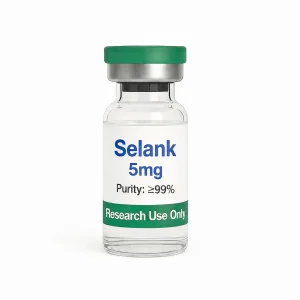
Introduction to Selank Acetate API Selank Acetate API is a synthetic heptapeptide active pharmaceutical ingredient (API) composed of the amino acid sequence Thr-Lys-Pro-Arg-Pro-Gly-Pro (TKPRPGP). Originally developed through neuropharmacological research, Selank is a derivative of the endogenous...
View Details
Trusted Thymosin Beta-4 API Manufacturer and Global Peptide Supplier As a professional Thymosin Beta-4 API manufacturer and supplier, we provide high-quality Thymosin Beta-4 peptide API solutions for biotechnology companies, pharmaceutical research organizations, and li...
View Details
Introduction BPC-157 API is a synthetic pentadecapeptide that has gained increasing attention in peptide research due to its potential biological activities related to tissue repair, gastrointestinal protection, angiogenesis, and inflammatory regulation. As a peptide ac...
View Details
With the continuous development of neuroscience, peptide technology, and life science research, neuroactive peptides have become an important area of scientific investigation. Semax, a synthetic peptide derived from an ACTH fragment, has attracted attention among researchers due to its unique mol...
View Details
SS-31 API, also known as Elamipretide, MTP-131, Bendavia, and SS31, is a synthetic mitochondria-targeting tetrapeptide designed to bind cardiolipin in the inner mitochondrial membrane. By stabilizing mitochondrial structure and supporting cellular bioenergetics, SS-31 ha...
View DetailsExplore our complete commercial offering of APIs, protected amino acids, and high-purity peptides for international formulation manufacturing.