1 / 2

| Product Name | Sodium Omadine |
| CAS No. | 3811-73-2 |
| Molecular Formula (MF) | C5H4NNaOS |
| Molecular Weight (MW) | 149.15 |
| Density | 1.22 g/ml |
| Melting Point | -25°C |
| Boiling Point | 109°C |
| Refractive Index | 1.4825 |
| Solubility | H2O: 0.1 M at 20 °C, clear, faintly yellow |
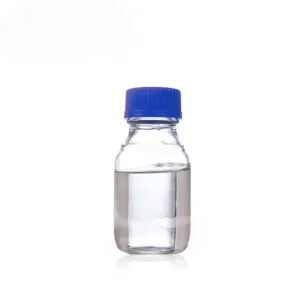
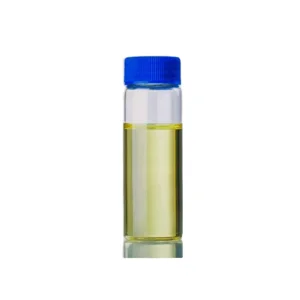
| Form | Solution |
| Color | Very deep brown |
| Water Solubility | 54.7 g/100 mL |
| Maximum Wavelength (λmax) | 334nm (H2O) (lit.) |
| Sensitivity | Hygroscopic |
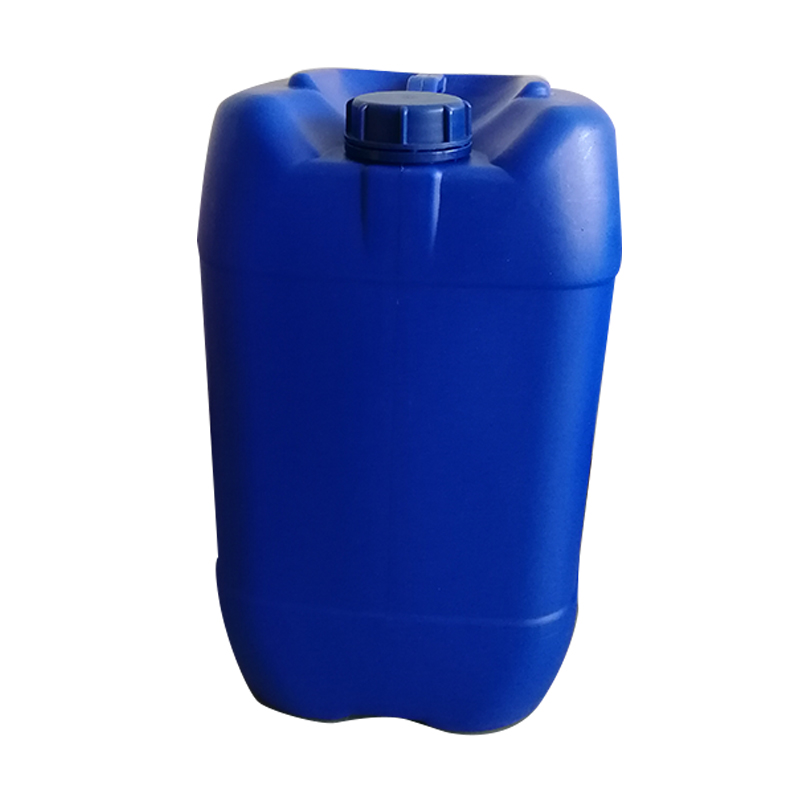
| Packaging | 1 L/bottle, 25 L/drum, 200 L/drum |
| Property | Soluble in alcohol, ether, benzene and carbon disulfide, insoluble in water. |
Used in metal cutting fluid, anti-rust fluid, latex paint, adhesive, leather products, textile products, and coated paper.
Applied in antifungal drugs, shampoo, and skin care products. Prevents spoilage/mildew and effectively relieves itching and dandruff.
Functions as an effective fungicide for fruit trees, peanuts, wheat, vegetables, and other crops. Also serves as an excellent disinfectant for silkworms.
Suitable for preparing disinfectants, wake-up agents, and medical broad-spectrum antifungal dermatological drugs.
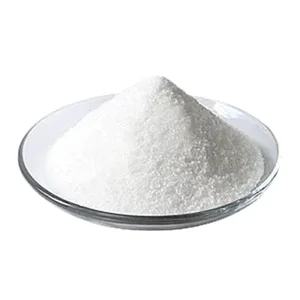
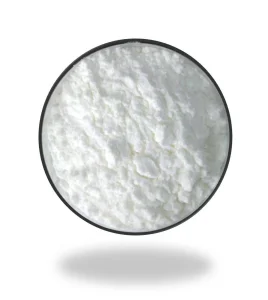
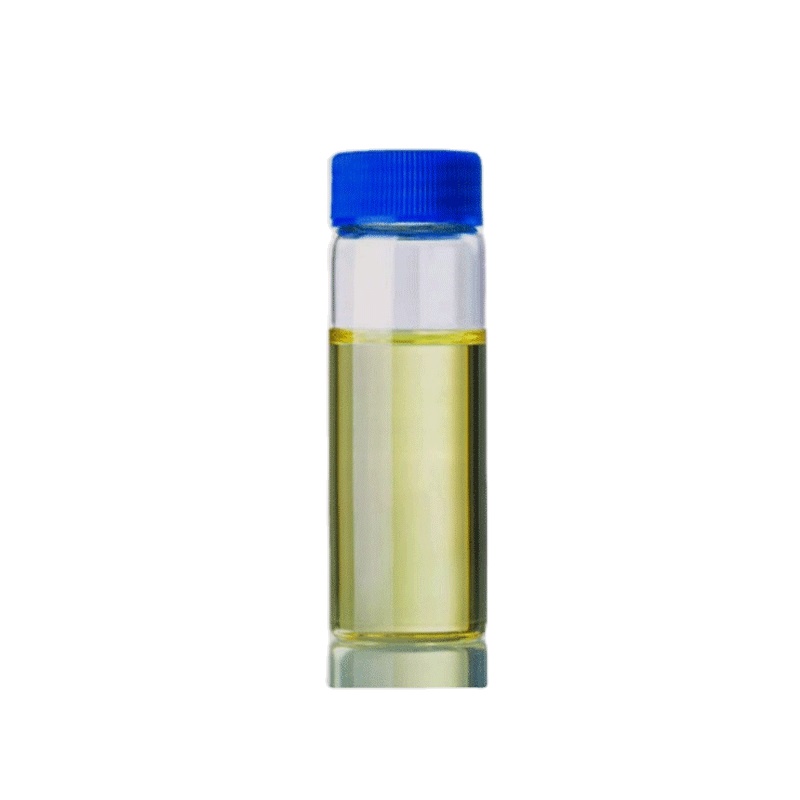
Sodium pyrithione, also known as sodium omedin, pyrithione, or sodium α-mercaptopyridine-N-oxide, is a pyridine derivative fungicide. It appears as a yellow, light-colored transparent liquid. It exhibits a slight characteristic odor at 250℃. It is easily soluble in water, ethanol, and other organic solvents, with solubility mass fractions of 53% in water, 19% in ethanol, and 12% in polyethylene glycol.
The optimum pH range for operation is 7–10, with a 2% aqueous solution presenting a pH value of 8.0. The compound is unstable when exposed to light, oxidizing agents, and strong reducing agents. It is slightly inactivated by nonionic surfactants and is capable of chelating with heavy metals. Key application sectors span daily chemical products, adhesives, papermaking, medicine, pesticides, leather products, and disinfection items.
Sodium pyrithione (NPT) stands out as a highly effective, broad-spectrum, low-toxicity, and stable water-soluble industrial anti-mildew preservative. EEC and GB7916-87 standards specify that the maximum allowable mass fraction of sodium pyrithione in cosmetics is 0.5%, specifically reserved for rinse-off formulations. The standard operational concentration ranges from 250 to 1000 mg/kg. It is also widely utilized as a preservative in industrial metal cutting oils.
Sodium Omadine is a pyridine derivative fungicide and a highly effective, broad-spectrum, low-toxicity water-soluble industrial anti-mildew preservative.
It is used in metal cutting fluids, anti-rust fluids, latex paints, adhesives, leather products, pharmaceuticals, anti-dandruff shampoos, crop protection fungicides, and medical disinfectants.
Per EEC and GB7916-87 regulations, the maximum allowable concentration in cosmetics is 0.5%, and it must only be used in products that are washed off after use. General operational dosages range between 250 and 1000 mg/kg.
It is readily soluble in water (53%) and ethanol (19%). Its optimal pH range is 7 to 10, and a 2% aqueous solution has a pH value of 8.0.
It is unstable to light, oxidizing agents, and strong reducing agents. Nonionic surfactants slightly reduce its activity, and it has a property to chelate with heavy metals.
![OEM Fmoc-L-Lys[Eic(OtBu)-γ-Glu(OtBu)-AEEA]-OH Company, Products](https://site.cdnfile.io/www.gentolexchemicals.com/3f742f7e381d499e73c3be66ef1d3e97300_300.webp)