1 / 1

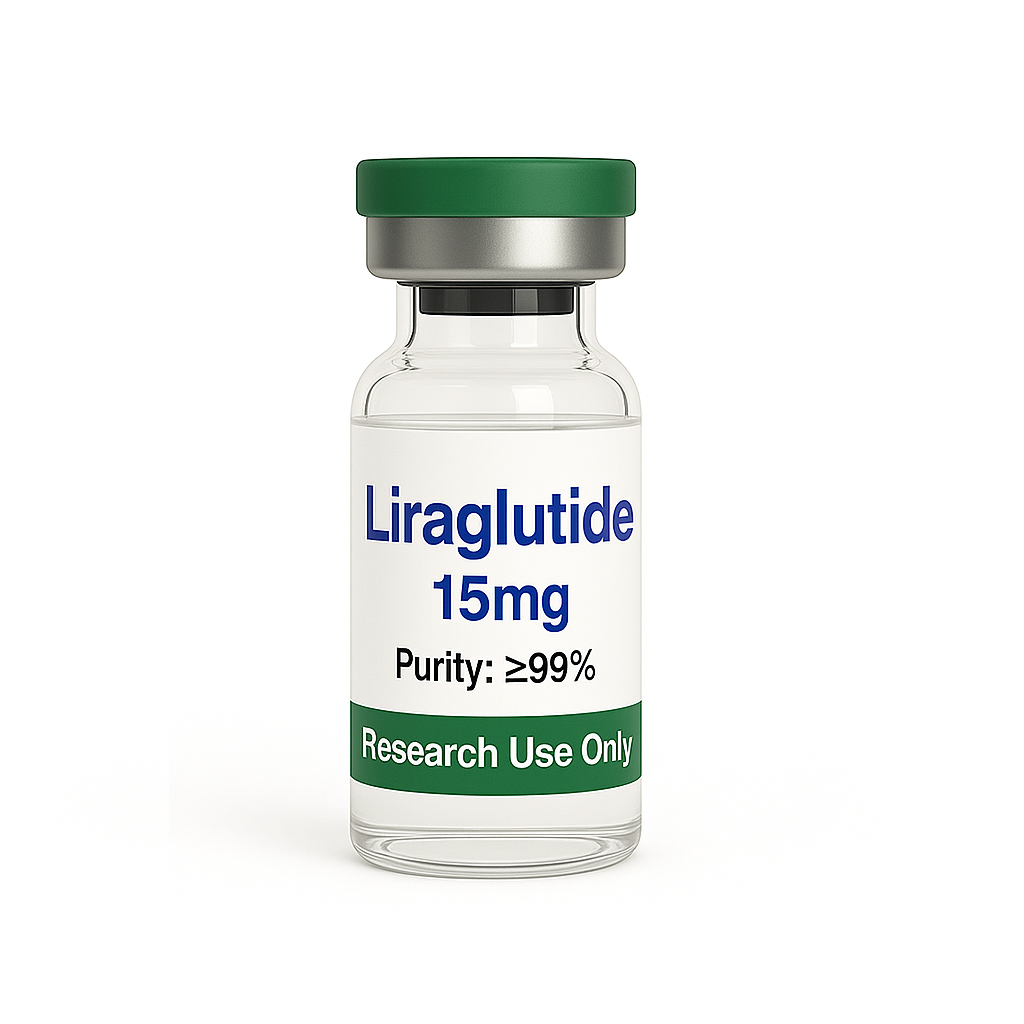
| Name | Liraglutide |
| State | Lyophilized Powder |
| Appearance | White Powder |
| Grade | Medical Grade |
| Purity | 99% |
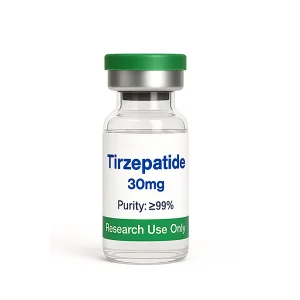
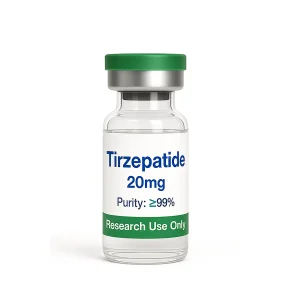
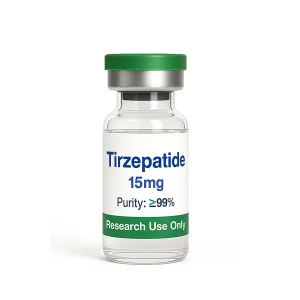
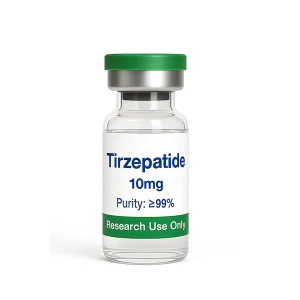
| Size | 5mg, 10mg, 15mg, 20mg, 30mg |
| Administration | Subcutaneous Injection |
| Benefits | Treating type2 diabetes and weight loss |
Activates GLP-1 receptors on pancreatic β-cells, enhancing insulin release when blood glucose is elevated. Its effect diminishes when glucose levels are normal, thereby reducing the risk of hypoglycemia.
Reduces hepatic gluconeogenesis, leading to lower fasting blood glucose levels.
Slows the rate at which food enters the small intestine, thereby reducing postprandial blood glucose spikes.
Acts on the hypothalamic satiety center, enhancing satiety signals (e.g., activation of POMC neurons) and reducing hunger.
Gastric emptying delay and modulation of gastrointestinal signals further decrease appetite.
Lowers triglyceride levels and increases high-density lipoprotein (HDL) cholesterol.
Animal studies show it can suppress vascular plaque inflammation, though it has limited effect on established plaques.
Large clinical trials have confirmed its ability to reduce cardiovascular events in patients with diabetes and slow the progression of renal impairment.
Liraglutide is primarily utilized for managing and treating type 2 diabetes as well as supporting weight loss management.
The product is Medical Grade with a high purity level of 99%, provided in a lyophilized white powder form.
It is administered via subcutaneous injection. Available specifications include sizes of 5mg, 10mg, 15mg, 20mg, and 30mg.
It enhances insulin release when blood glucose levels are elevated. Once glucose levels return to normal, this effect diminishes, significantly reducing the risk of hypoglycemia.
It acts on the hypothalamic satiety center in the brain to reduce appetite, while also delaying gastric emptying to lower overall food intake.
Liraglutide helps improve lipid profiles, suppress vascular plaque inflammation, reduce cardiovascular events, and slow the progression of renal impairment in diabetic patients.