
Regorafenib is a targeted cancer medicine, but what does it actually do? This introduction explains why doctors may prescribe it, which cancers it can treat, and what patients should understand before therapy begins. The answer is not simply that it “fights cancer.” Regorafenib blocks several proteins involved in tumor growth and the formation of blood vessels that supply tumors. In the CORRECT trial report, oncologist Axel Grothey and colleagues described it as “an oral multikinase inhibitor.” That description is precise, though it does not tell the whole story.
Doctors may use Regorafenib for certain people with advanced colorectal cancer, gastrointestinal stromal tumors, or liver cancer, depending on the diagnosis and prior treatment. It is usually considered when earlier therapies have not worked or are no longer suitable. The decision depends on the cancer type, treatment history, overall health, and potential risks. Not for everyone. Possible side effects include fatigue, diarrhea, high blood pressure, and hand-foot skin reactions, which can make walking or holding objects painful. Clinicians monitor symptoms and may adjust or pause treatment.
Regorafenib can slow disease in some patients, but it is not a cure, and benefits vary. That distinction deserves more attention than it often gets. A useful overview should explain how the drug works, when it may be offered, what evidence supports its use, and which warning signs call for prompt medical advice. Specific treatment decisions belong with an oncology team familiar with the patient’s case.
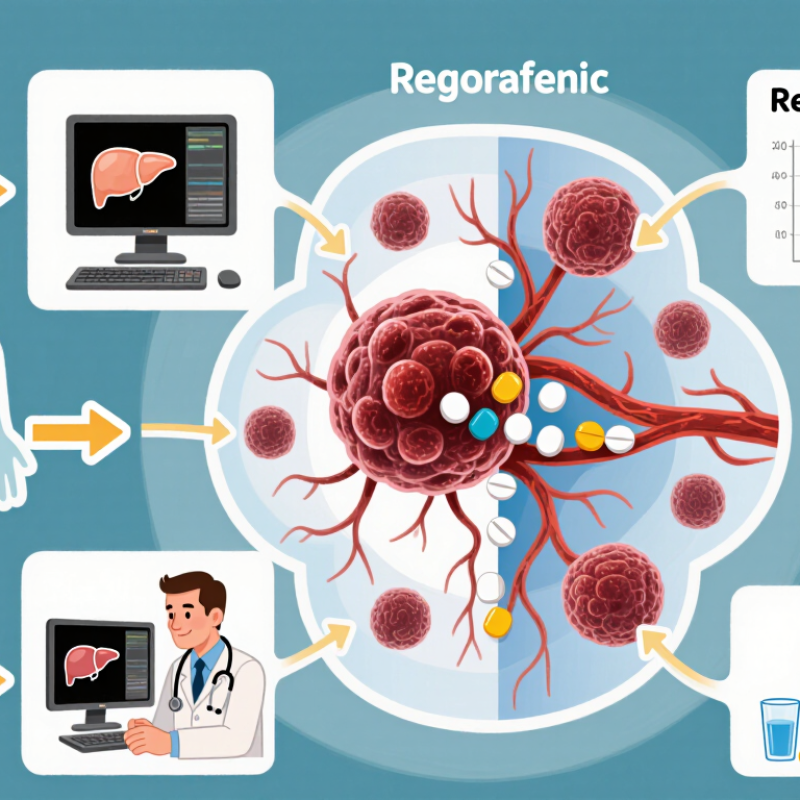
Regorafenib is an oral cancer medicine known as a multikinase inhibitor. It blocks several proteins that help cancer cells grow and form new blood vessels. These proteins include VEGFR, which supports blood-vessel development, and other signaling proteins involved in cell growth. By interfering with these signals, regorafenib may slow tumor growth or limit its blood supply. It does not work for every cancer or every person.
Doctors use regorafenib for certain advanced cancers when specific treatment options are appropriate. The medicine is taken as tablets, and treatment is planned and monitored by a cancer care team.
Side effects can include fatigue, diarrhea, mouth irritation, and changes to the skin on the hands and feet. Blood pressure and liver tests may also need monitoring. The biology is complex; describing it as simply “starving” a tumor is an oversimplification.
Tips: Take it only as prescribed, and ask your care team what to do about missed doses. Report new or worsening symptoms promptly, especially severe skin changes, unusual bleeding, or yellowing of the skin or eyes. Don’t adjust treatment on your own.
Regorafenib is an oral targeted medicine used for specific advanced cancers. It blocks signals that help cancer cells grow and form new blood vessels. Its role is not to treat every cancer. The cancer type, stage, and previous treatment all matter. Oncology teams often review scans, liver function, blood pressure, and treatment history before prescribing it.
For metastatic colorectal cancer, regorafenib may be used after treatment with fluoropyrimidine, oxaliplatin, and irinotecan. Other targeted treatments may also have been tried, depending on the tumor’s features. It is generally considered when the disease has progressed or cannot be controlled with earlier options. Doctors may change the dose because fatigue, diarrhea, high blood pressure, and hand-foot skin reactions can occur. Not every patient benefits equally.
Regorafenib is also used for unresectable or metastatic gastrointestinal stromal tumors after earlier therapies have stopped working. Another approved use is advanced hepatocellular carcinoma after previous treatment with sorafenib. These decisions require careful monitoring, especially when liver function is fragile. The hardest part is balancing disease control with daily comfort. This balance is not always predictable. Some patients need extra support with skin care, nutrition, or activity changes during treatment. Approvals and prescribing rules can differ between countries, so the treating oncologist should confirm the appropriate use.
Why Is Regorafenib Used to Treat Cancer?
Why It May Be Chosen After Other Treatments
Regorafenib may be considered when advanced cancer has progressed despite earlier therapies. It is commonly used in selected cases of metastatic colorectal cancer, gastrointestinal stromal tumors, and liver cancer. Its role depends on the cancer type, previous medicines, and current health.
Unlike treatments aimed at one pathway, regorafenib blocks several signals involved in tumor growth and blood-vessel formation. This broader action may offer another option when cancer cells no longer respond adequately. The choice is not automatic. An oncologist may review scan results, liver function, blood pressure, daily activity, and previous side effects.
Timing matters.
After several treatments, the body may have less reserve. Regorafenib can cause fatigue, diarrhea, mouth soreness, high blood pressure, or painful redness on the hands and feet. Liver problems are also possible. Regular blood tests and symptom checks help the care team adjust the dose or pause treatment.
The benefit is often disease control rather than cure. Some patients may gain extra time before the cancer worsens, while others may experience limited benefit. That uncertainty is difficult, and it deserves honest discussion. A treatment can be scientifically reasonable yet personally unsuitable. Patients should ask about expected benefits, warning signs, monitoring schedules, and other supportive options before starting.
Why it may be chosen after other treatments
In randomized studies of previously treated advanced cancers, regorafenib improved median overall survival compared with placebo. It may be selected after other treatments because it is an oral multikinase inhibitor that targets several pathways involved in tumor growth and blood-vessel formation. Results are shown for separate studies and should not be compared directly across cancer types.
Data sources: CORRECT study in metastatic colorectal cancer: 6.4 vs 5.0 months; RESORCE study in previously treated advanced hepatocellular carcinoma: 10.6 vs 7.8 months.
Regorafenib is usually taken by mouth once a day, with a low-fat meal, at roughly the same time. A common schedule is 21 days of treatment followed by seven days off, but follow the schedule your oncology team prescribes. Swallow the tablets with water; do not change the dose or restart after a missed dose without checking your care team. Small details matter. A note on the calendar can help track treatment days, meals, and symptoms. The routine may look simple on paper. At home, it can be harder to keep steady.
Monitoring helps clinicians spot side effects before they become more serious. Your team will check blood pressure and liver tests, often more closely early in treatment. Tell them about yellowing skin or eyes, dark urine, unusual bleeding, severe diarrhea, or painful redness and peeling on your palms or soles. These symptoms deserve prompt attention. Keep a brief record of when they start and how they affect daily tasks, such as walking or holding a cup. Your clinician may pause treatment or adjust the dose if needed; do not make that decision alone. Report new medicines, supplements, or changes in health, too. Not every symptom has an obvious cause, and that uncertainty is worth discussing rather than guessing.
Regorafenib is an oral targeted cancer medicine that blocks several proteins involved in tumor growth and blood-vessel formation. Clinicians may consider it for certain advanced cancers when earlier treatments have stopped working or are unsuitable. The decision depends on the cancer type, prior treatment, overall health, and the person’s goals. One medicine does not fit every tumor.
Risks can shape that decision as much as potential benefit. Common problems include tiredness, diarrhea, reduced appetite, high blood pressure, and painful redness or blisters on the palms and soles. These effects may interfere with walking, cooking, or other daily tasks. Liver injury is a more serious concern. Blood tests are used to check liver function, and treatment may need to pause or change if results worsen. Blood pressure also needs monitoring. The balance is not neat.
Doctors may review other medicines, since some can alter regorafenib levels in the body. They also consider bleeding risk, recent surgery, and existing liver problems. A patient’s ability to attend follow-up visits matters; missed checks can make side effects harder to catch early. People should report new symptoms promptly, especially yellowing skin, dark urine, severe abdominal pain, or unusual bleeding. Dose adjustments are sometimes needed. Treatment choices should be discussed with an oncology team, including what benefit is realistic and which risks matter most to that individual.
It may be used for certain advanced colorectal cancers, gastrointestinal stromal tumors, and hepatocellular carcinoma. It is not suitable for every cancer.
It may be considered after treatments including fluoropyrimidine, oxaliplatin, and irinotecan have stopped controlling the disease. Other prior treatments can depend on tumor features.
It may be used for unresectable or metastatic tumors after earlier therapies stop working.
It may be used for advanced disease after previous treatment with sorafenib. Liver function needs close attention.
It is usually taken by mouth once daily with a low-fat meal, at about the same time. Follow the schedule prescribed by the oncology team.
One common schedule is 21 days of treatment followed by seven days off. Your prescribed schedule may differ. A calendar can help track doses.
Fatigue, diarrhea, high blood pressure, and painful redness or peeling on the palms and soles may occur. Not everyone responds the same way.
The care team may check blood pressure and liver tests, especially early in treatment. Report yellow skin or eyes, dark urine, unusual bleeding, or severe diarrhea promptly.
Contact your care team before changing the dose or restarting after a missed dose. Keep a brief symptom record; guessing can be unhelpful.
Regorafenib is an oral targeted cancer medicine that blocks several proteins involved in tumor growth and the formation of blood vessels that supply tumors. It may be used for certain cancers, including colorectal cancer, gastrointestinal stromal tumors, and liver cancer, depending on the patient’s situation and local treatment guidance. Because it can help when cancer has progressed despite other therapies, it may be considered after earlier treatment options have not worked or are no longer suitable.
Treatment is taken on a prescribed schedule, with regular medical follow-up to assess response and manage side effects. Clinicians may monitor liver function, blood pressure, and symptoms such as fatigue, diarrhea, or skin problems, and adjust or pause treatment when needed. The decision to use Regorafenib depends on factors such as cancer type and stage, previous treatments, overall health, liver function, and the likely balance of benefit and risk.
